Madagascar Wildlife Safari Tour 2026 & 2027
Primary Keyword: Madagascar Wildlife Safari Tour
Target Markets: USA, UK & Canada
Travel Seasons: 2026 & 2027 Departures
Secondary Keywords
-
Luxury Madagascar Safari
-
Madagascar Lemur Safari
-
Private Madagascar Safari Tours
-
Madagascar National Parks Tour
A Madagascar Wildlife Safari Tour in 2026 or 2027 is unlike any other safari experience in the world. While many travelers from the USA, UK, and Canada associate safaris with East Africa’s savannahs, Madagascar offers something entirely different: endemic wildlife found nowhere else on Earth, dramatic geological formations, pristine rainforests, baobab-lined horizons, and untouched coastal reserves.
If you are searching for a Luxury Madagascar Safari, a tailor-made wildlife journey, or a fully guided Private Madagascar Safari Tour, this comprehensive guide will answer your most important questions and help you plan with confidence.
Why Choose a Madagascar Wildlife Safari Tour in 2026 & 2027?
Planning ahead for 2026 and 2027 ensures access to the best lodges, internal flights, and expert naturalist guides. Madagascar operates differently from mainland African safari circuits, and early reservations are essential.
Here is why travelers are booking their Madagascar Wildlife Safari Tour early:
-
Limited high-end lodge availability
-
Restricted domestic flight capacity
-
Peak wildlife viewing between May–November
-
Growing demand from North America and the UK
-
Exclusive private reserve experiences
Madagascar is a biodiversity hotspot. Over 90% of its wildlife species are endemic. That means your Madagascar National Parks Tour will include animals and plants that exist nowhere else.
What Makes a Madagascar Wildlife Safari Tour Unique?
Unlike traditional African safaris focused on large mammals in open plains, a Madagascar Wildlife Safari Tour is immersive and intimate.
Wildlife You Will See
-
Over 100 species of lemurs
-
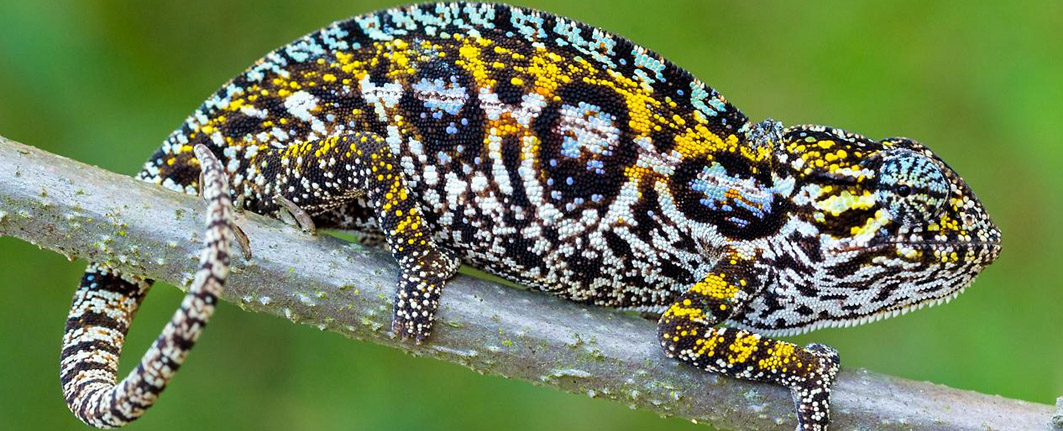
Chameleons in extraordinary colors
-
Fossas (Madagascar’s apex predator)
-
Rare birds such as the Madagascar fish eagle
-
Giant baobab trees
-
Pristine coral reefs in marine reserves
This is why a Madagascar Lemur Safari is often the highlight for travelers from the USA, UK, and Canada. Seeing Indri lemurs call through rainforest canopies is unforgettable.
Top Destinations for a Madagascar Wildlife Safari Tour
1. Andasibe-Mantadia National Park (Best for Lemurs)


Andasibe-Mantadia National Park is one of the most accessible and rewarding wildlife destinations.
Why include it in your Madagascar Wildlife Safari Tour?
-
Home of the Indri (largest living lemur)
-
Excellent guided rainforest walks
-
Night walks for chameleons and nocturnal lemurs
-
Luxury ecolodges with forest views
Ideal for first-time visitors on a Private Madagascar Safari Tour.
2. Kirindy Forest & Avenue of the Baobabs
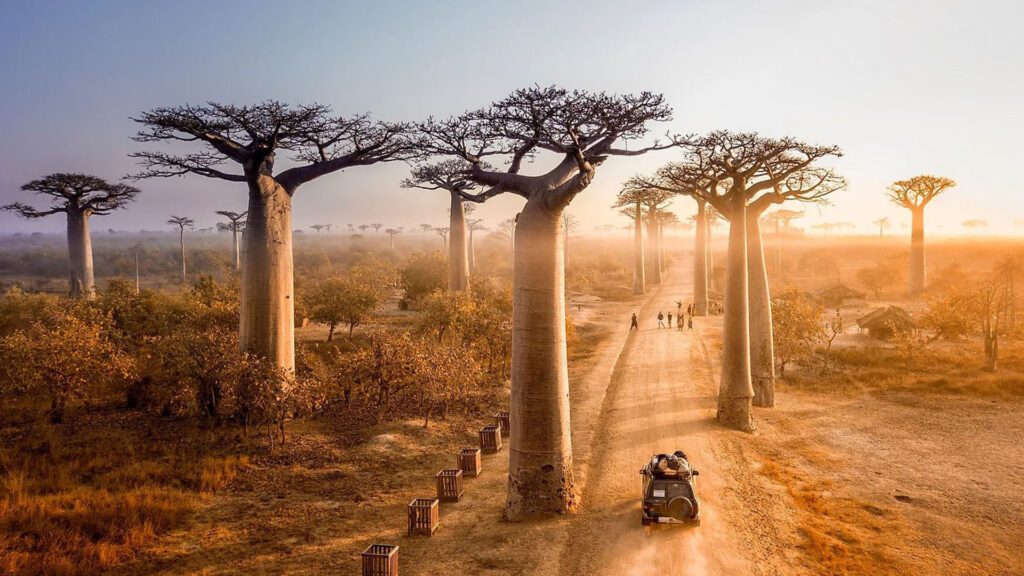
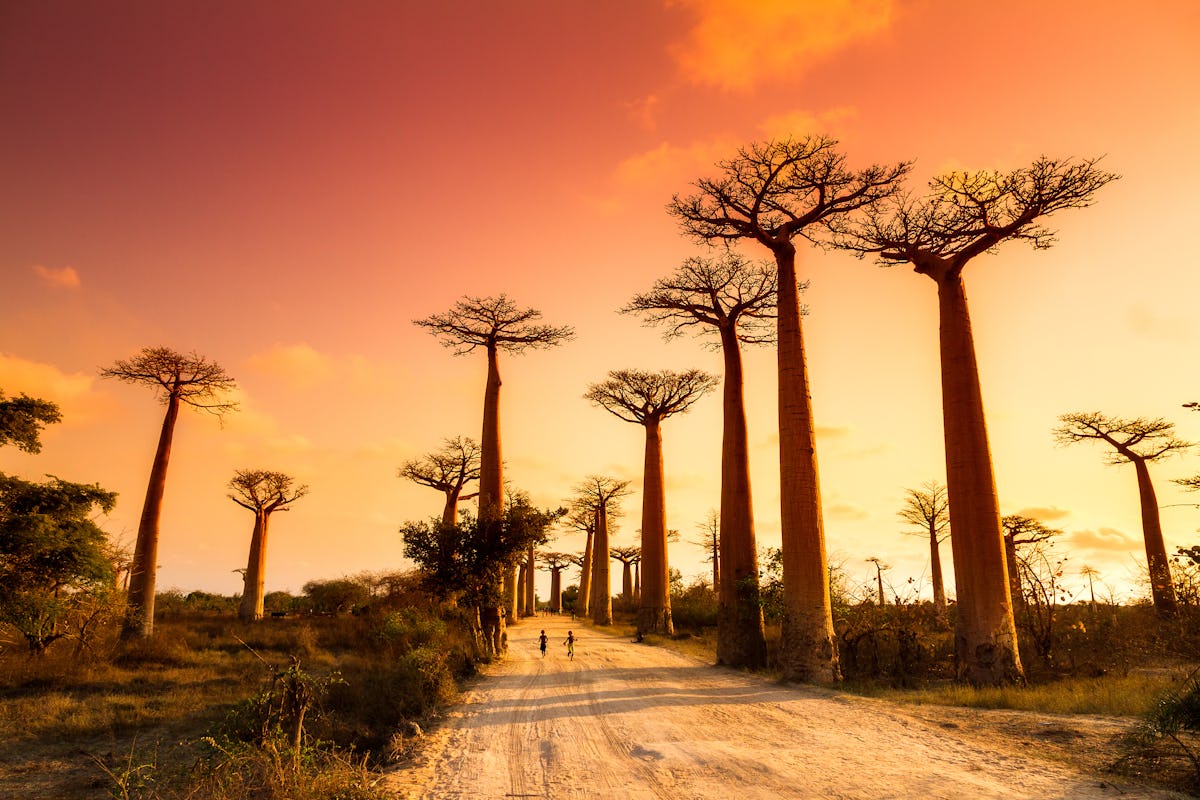
Kirindy Forest is famous for rare wildlife, including the elusive fossa. Nearby, the iconic Avenue of the Baobabs offers one of Africa’s most photographed landscapes.
This region is essential for:
-
Dry forest biodiversity
-
Baobab sunset photography
-
Unique endemic reptiles
-
Contrasting ecosystems within one itinerary
A well-designed Madagascar National Parks Tour always combines rainforest and dry forest.
3. Tsingy de Bemaraha National Park (UNESCO World Heritage Site)
Tsingy de Bemaraha National Park features dramatic limestone pinnacles known as “Tsingy.”
For adventurous travelers seeking a deeper Madagascar Wildlife Safari Tour, this destination offers:
-
Suspension bridge crossings
-
Canyon hikes
-
Unique lemur species
-
Remote wilderness experience
Luxury travelers often access this region via private charter flights.
4. Ranomafana National Park (Cloud Forest Biodiversity)
Ranomafana National Park is known for the golden bamboo lemur.
Why include it?
-
Rich biodiversity
-
Cooler climate
-
Research-driven conservation
-
Premium ecolodges for Luxury Madagascar Safari guests
5. Nosy Be & Marine Wildlife Extension
Nosy Be is perfect to conclude your Madagascar Wildlife Safari Tour.
From September to December, whale sharks may be spotted offshore. Snorkeling and diving reveal vibrant marine ecosystems.
Combining wildlife and beach relaxation is increasingly popular among North American and British travelers.
Sample 14-Day Madagascar Wildlife Safari Tour (Luxury Level)
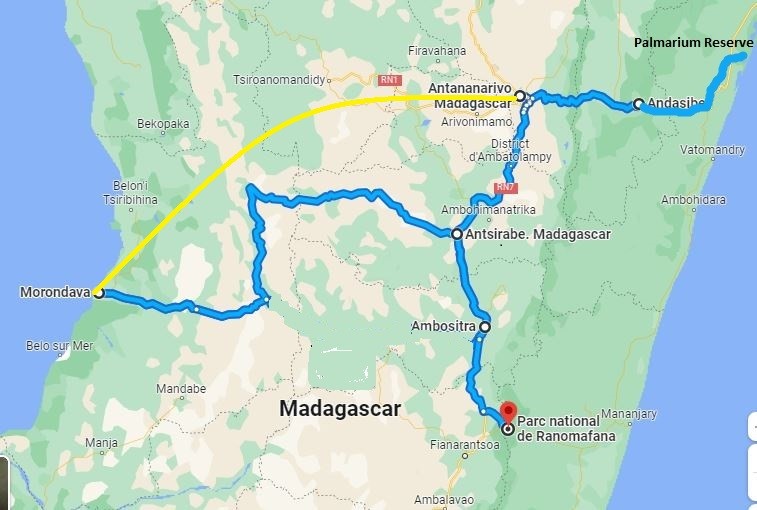
1–2: Arrival in Antananarivo
-
Private airport meet & greet
-
Luxury boutique hotel
-
Cultural introduction and city highlights
3–4: Andasibe (Madagascar Lemur Safari)
-
Guided rainforest walks
-
Night wildlife exploration
-
Indri observation
5–6: Ranomafana
-
Golden bamboo lemur tracking
-
Waterfall hikes
-
Spa evening at ecolodge
7–9: Morondava & Kirindy
-
Baobab sunset photography
-
Fossa tracking
-
Private forest guide
10–12: Tsingy de Bemaraha
-
Scenic charter flight
-
Canyon exploration
-
Exclusive lodge stay
13–14: Nosy Be
-
Marine wildlife excursion
-
Snorkeling
-
Relaxation at beach lodge
This itinerary blends a Madagascar National Parks Tour with coastal luxury.
When Is the Best Time for a Madagascar Wildlife Safari Tour?
For USA, UK, and Canadian travelers:
-
May–November: Best wildlife visibility
-
July–October: Peak lemur activity
-
September–December: Whale shark season in Nosy Be
-
April & December: Shoulder season with fewer crowds
Booking 9–12 months in advance is recommended for 2026 and 2027.
Luxury Madagascar Safari vs Standard Safari
What Luxury travelers expect:
-
Private 4×4 vehicles
-
English-speaking expert naturalists
-
Premium ecolodges
-
Flexible pacing
-
Domestic flights or private charters
-
24/7 on-ground assistance
A Private Madagascar Safari Tour ensures comfort while maintaining environmental responsibility.
Frequently Asked Questions About Madagascar Wildlife Safari Tour
Is Madagascar safe for wildlife travel?
Yes, when organized by experienced local operators with vetted guides and secure transport.
How physically demanding is a Madagascar Wildlife Safari Tour?
Moderate. Most walks range from 1–3 hours. Custom pacing is possible.
Do I need special vaccinations?
Consult travel clinics in the USA, UK, or Canada for up-to-date advice.
Can this safari be combined with Tanzania or Mauritius?
Yes. Many travelers combine Madagascar with East African safaris or Indian Ocean extensions.
E-E-A-T: Why Trust a Professional Madagascar Safari Designer?
Planning a Madagascar Wildlife Safari Tour requires:
-
Knowledge of seasonal road conditions
-
Real-time domestic flight updates
-
Understanding of park access limitations
-
Strong lodge partnerships
-
Conservation awareness
Experienced safari planners ensure seamless transitions between remote regions.
Madagascar is not a plug-and-play destination. It requires logistical expertise and local presence.
SEO Strategy for Madagascar Wildlife Safari Tour 2026 & 2027
To maintain top rankings:
-
Update seasonal wildlife patterns annually
-
Refresh internal flight schedules
-
Add new conservation news
-
Optimize FAQ schema
-
Maintain backlinks from luxury travel publications
-
Publish updated pricing guidance for USA, UK, Canada markets
High-quality content aligned with AI search engines focuses on direct answers, structured data, and expert authority.
Final Thoughts: Why 2026 & 2027 Are the Perfect Years
Demand for Madagascar Wildlife Tours experiences is rising steadily among discerning travelers from the USA, UK, and Canada.
Early booking ensures:
-
Best lodge selection
-
Access to expert guides
-
Preferred internal flights
-
Optimal wildlife timing
Whether you are seeking a Luxury Madagascar Safari, a specialized Madagascar Lemur Safari, or a comprehensive Madagascar National Parks Tour, 2026 and 2027 represent prime years to explore one of the world’s most extraordinary biodiversity destinations.
Madagascar is not just a safari. It is a journey into one of Earth’s last great wildlife frontiers.
Madagascar Lemurs, Tsingy, Kirindy, Baobab & Isalo
Lemurs, Landscapes & Beach Inclusive | All By Private Charter
Explore Madagascar and his Luxury Beach | Private Charter
Fly Across Madagascar | Private Charter
Private & Bespoke Madagascar Luxury Travel
Best Madagascar luxury for private safari adventures. Top Madagascar luxury with private guides and luxury lodges. Exclusive Madagascar luxury for bespoke wildlife experiences. Ultimate Madagascar luxury with private charter flights. Premium Madagascar for rainforest and beach journeys. Luxury Madagascar with tailor made safari itineraries. Private Madagascar luxury for couples and honeymoon escapes. Bespoke Madagascar luxury designed by local travel experts. High end Madagascar luxury with boutique safari lodges. Ultra luxury Madagascar with private island resorts.
Safari & Wildlife Luxury Experiences
Tailor made Madagascar luxury for exclusive safaris. Curated Madagascar luxury with wildlife encounters. Elite Madagascar luxury with helicopter safari experiences. Signature Madagascar luxury with luxury beach resorts. Prestige Madagascar luxury for discerning travelers. Authentic Madagascar luxury with expert naturalist guides. Remarkable Madagascar luxury with rainforest lodge stays. Unforgettable Madagascar luxury with lemur safari adventures. Spectacular Madagascar luxury with private island escapes. World class Madagascar luxury with luxury expedition journeys.
Luxury Lodges, Resorts & Exclusive Stays
Iconic Madagascar luxury exploring national parks and beaches. Incredible Madagascar luxury for wildlife photography trips. Magnificent Madagascar luxury with exclusive safari lodges. Refined Madagascar luxury with luxury eco lodge experiences. Opulent Madagascar luxury with helicopter island tours. Sophisticated Madagascar luxury with premium safari services. Exceptional Madagascar with private charter safaris. Immersive Madagascar luxury with cultural and wildlife discovery. Extraordinary Madagascar luxury combining safari and beach. Legendary Madagascar luxury with curated expedition routes.
Ultra-Luxury Madagascar Travel Experiences
Timeless Madagascar luxury exploring lush rainforests and spectacular coastlines. VIP guided Madagascar luxury with personalized travel services. Custom Madagascar luxury with private guides and tailor-made itineraries. Premium wildlife Madagascar luxury featuring exclusive safari lodges. Expert-designed Madagascar luxury safari crafted by professional travel designers. Madagascar beach and safari luxury combining wildlife and ocean escapes. Helicopter adventure Madagascar luxury with scenic aerial transfers. Luxury Madagascar with private island resort stays. Boutique lodge Madagascar luxury through pristine rainforests. High-end expedition Madagascar for discerning travelers.
Madagascar Luxury Hotels and Lodges
Best luxury hotels and lodges in Madagascar for private safari and beach experiences. Top Madagascar luxury lodges and boutique hotels for exclusive wildlife safaris. Exclusive Madagascar luxury hotels and safari lodges for high-end travelers. Premium Madagascar luxury beach resorts and rainforest safari lodges. Ultimate Madagascar luxury hotels and lodges for bespoke safari travel.