Tell us your dates, aircraft preferences, lodge style, and must-see regions. Then HT Agency Tours will design a smooth private flying safari with premium logistics and local support.
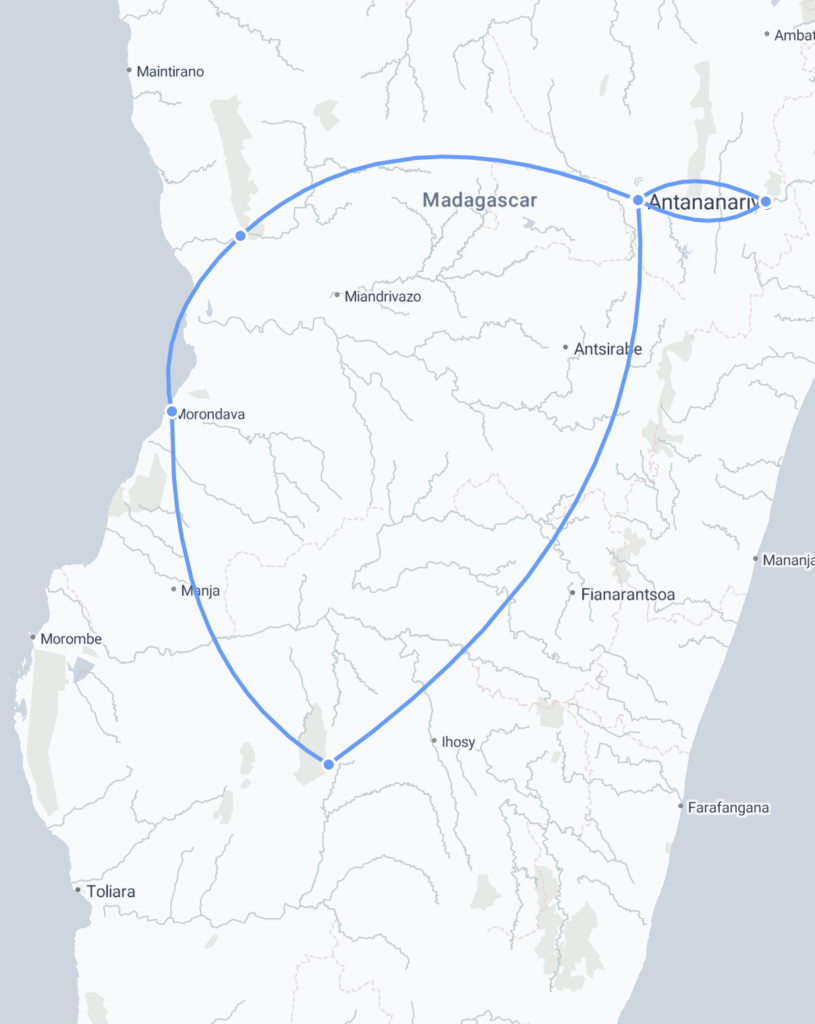
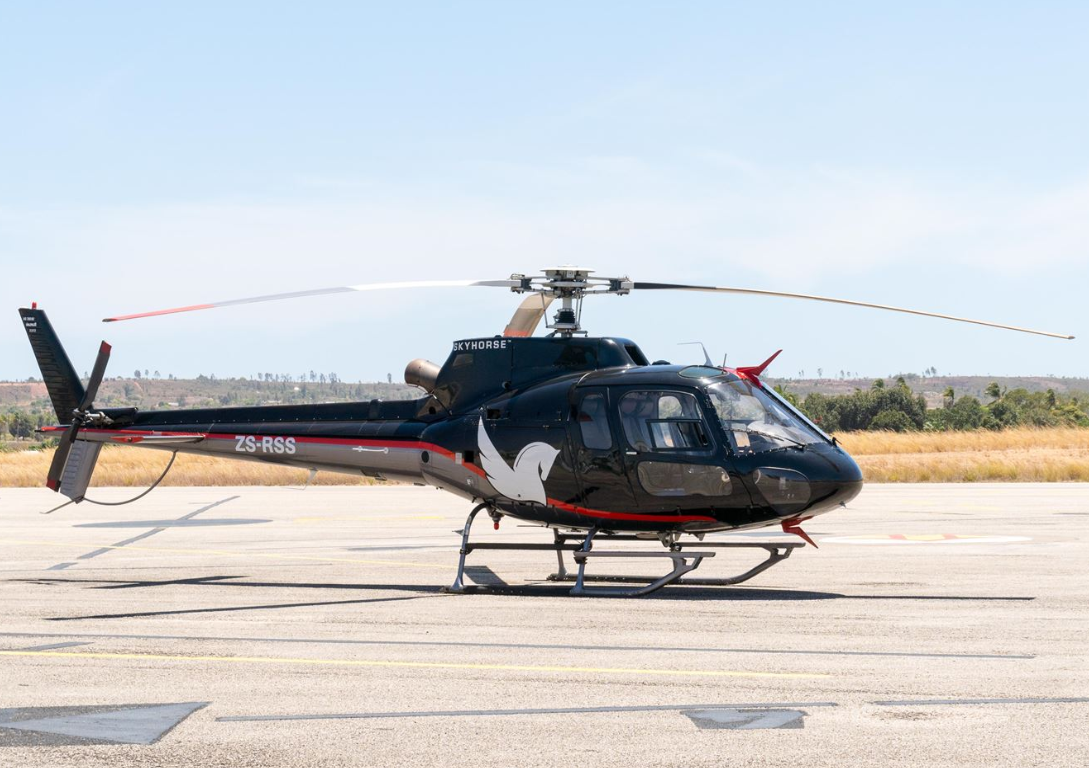
Arrival at Ivato International Airport. You will be welcomed by the HT Agency Tours team. Once you have completed arrival formalities, your guide will assist with the rest of the arrival process, local SIM assistance, currency exchange, and any arrival support you need. Transfer directly to Andasibe by helicopter, on the air to reach the east we enjoy panoramic views of the stepped rice fields, mountains, and then continue through the green and luxuriant vegetation.
After 30mn flight, we land on the rainforest renowned Andasibe-Perinet National Park. Check-in at the hotel and then, around 03:00PM, enjoy an amazing up close and personal experience with lemurs on the private Lemurs Island and many other species in the Vakona Reserve Zoo, where you will see many crocodiles in the huge river enclosure, native birds, and other wildlife in well-kept surroundings. Around 6:30PM, you end this day with a guided night visits which will take 1 hour and half, and then back to the hotel.
NIGHT AT MANTADIA LODGE
After breakfast, you will start with a guided visit at Analamazaotra National Park (It is better to leave the hotel at 7:30AM). This morning you need an early start to catch the Indri-Indri and the Diademed Sifaka in their forest home. Within a mile of the park you can hear the peculiar call of the indri very early in the morning until noon and again in the late afternoon. Indris (called Babakoto in Malagasy) are the largest living lemurs at all reaching up to 1 meter.
Andasibe is the best place to observe the Indris given that there are a couple of families habituated to humans. It lives in small groups and cannot survive in captivity. Apart from the Indri, another 13 lemur species inhabit these forests, such as woody lemur, grey bamboo lemur, diademed sifaka, brown lemur, red mouse-lemur, red-bellied lemur, black and white ruffed lemur. Lunch time will be organized after the visit and then aboard your helicopter for fly back to Antananarivo.
Once in Antananarivo, you will aboard your charter and fly directly to Isalo (The flight will take 1:30mn). On your arrival, you will be transferred directly to the famous window of Isalo to appreciate a breathtaking and spectacular sunset. And then transfer to the hotel.
NIGHT AT THE ISALO ROCK LODGE
Today we explore the stunning desert plains, deep canyons, sandstone formations, grasslands and palm-lined oases of Isalo National Park. We hope to encounter the 3 lemur species that are found here – Red-fronted Brown Lemurs, Ring-tailed Lemurs and the loping, bipedal Verreaux’s Sifaka. We will also see vegetation such as Uapaca bojeri, Pachypodium rosulatum or ‘elephant’s foot’ and Aloe isaloensis, a native species of aloe endemic to Isalo.
The eroded mountains also served as a place where the Bara people kept their dead before they could bury them in their actual tombs. This day includes strenuous walks. “Picnic lunch will be organized in the park”. After the visit, flight directly to the menabe area with landing in the Capital Morondava to appreciate the beautiful sunset in the famous baobab Avenue. After the visit, transfer directly to your hotel in town.
NIGHT AT THE PALISSANDRE
Early in the morning, at 6:00AM, the adventure continues with flying up to the North through a landscape of rice fields and small villages up to Bekopaka. Before landing, you will enjoy views over the scenic landscape of Tsingy de Bemaraha. Once landed, guided visit to the Bemaraha National Park (Grand Tsingy), you can choose whichever tour you want to do on this day, in consultation with your local guide and your driver, depending on your energy levels and enthusiasm on the day. There are circuits for all levels of fitness here at this World Heritage park.
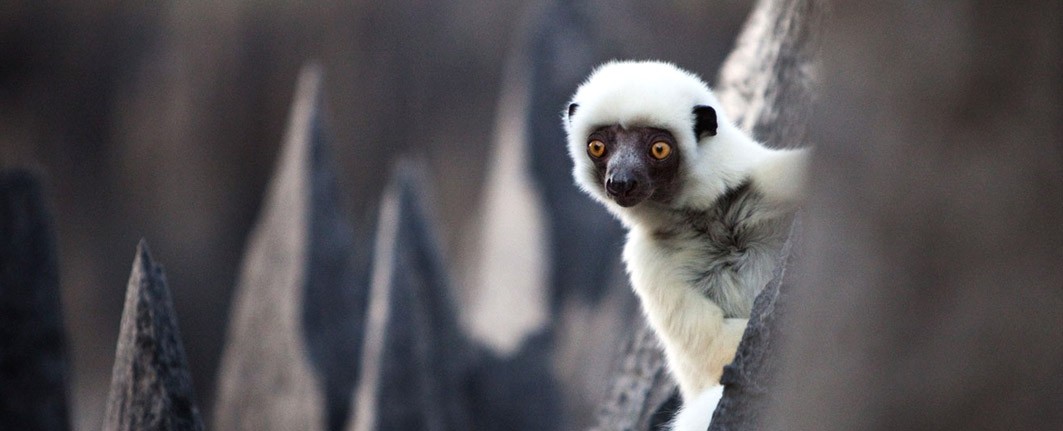
Here nature seems to be in perfect harmony with this wild and sharp limestone mountain. The flora consists of a dry western deciduous forest, plants typical of these dry limestone areas, such as species of Aloe and baobab Andasonia, the red-flowered flamboyant tree, Madagascar’s native banana Musa perrier. You can also see typical plants growing in the rocky area such pachypodium, orchids Concerning the fauna we can see the stump-tailed chameleon Brookesia perarmata, 53 bird, 7 lemur species including Decken’s sifaka Propithecus verreauxi deckeni. For your lunch, you will have organized picnic.
For this last day, you will flight directly back to the capital Antananarivo. On your arrival, shopping and purchase some souvenirs at the craft market (Depending on your international departure time, there may be time for last-minute). And then, transfer to the airport for your international flight. End of our services.
END OF THE TOURS
Luxury Madagascar with the best luxury African safari tours packages. Discover your next perfect destination with HT Agency Tours
Our travel experts are here to assist you
(+261) 34 20 001 98
harintsoatoky@ht-agency-tours.com