

November 13, 2026
Wildlife Guide
Match wildlife interests with habitat, season, field pace and responsible viewing expectations.
Written by HT Agency Tours’ Madagascar-based travel teamLast reviewed October 2, 202611 min read
Considering a refined shared journey?
Explore Madagascar Group Tours→Planning brief
At a glance
- Article type
- Wildlife Guide
- Planning focus
- Habitat and viewing
- Best for
- Wildlife-focused travelers and photographers
- Reading time
- 11 minutes
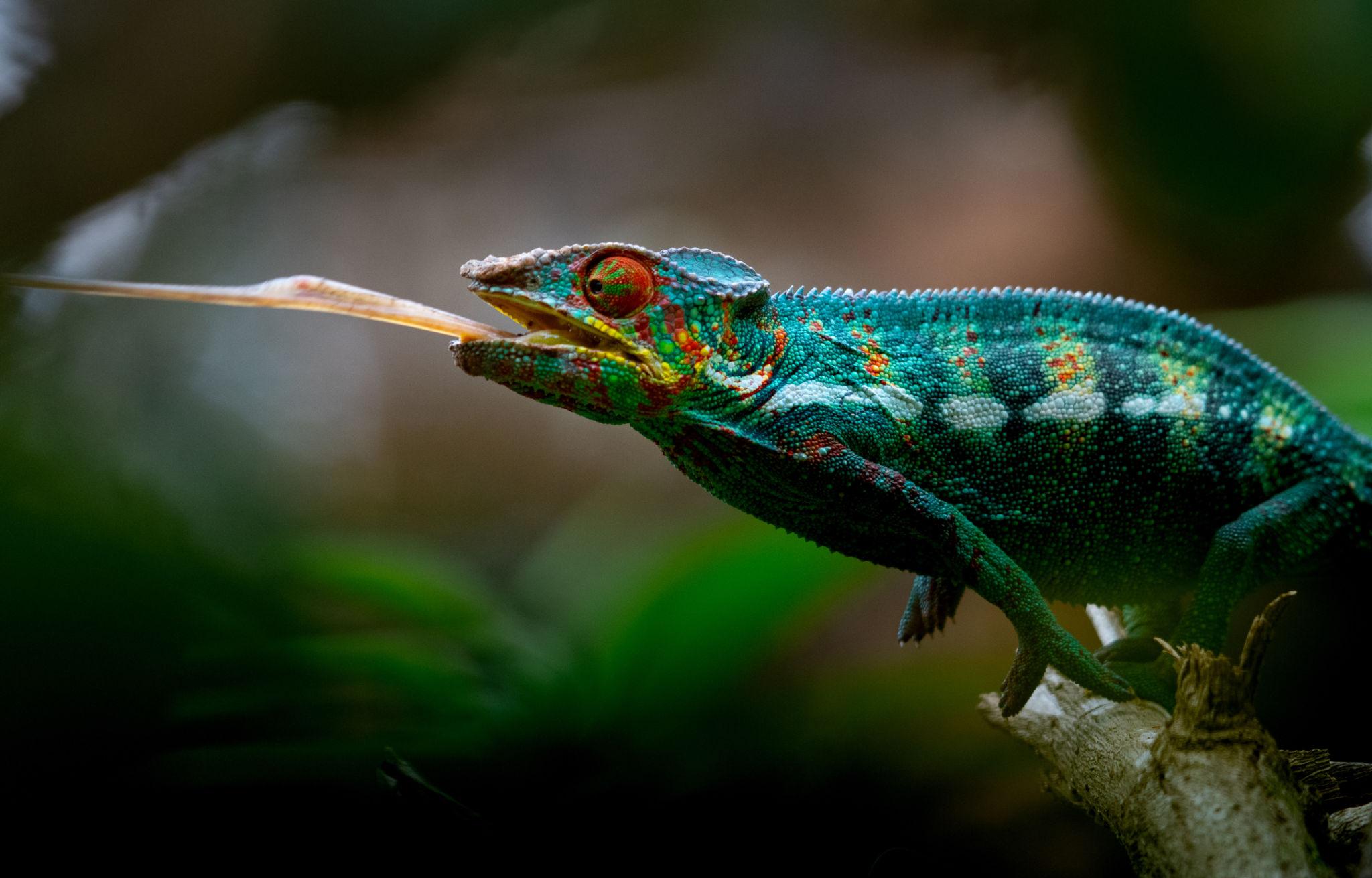
Start with HT Agency Tours' Madagascar group routes, then request a wildlife-focused proposal. Tell the team whether you are most interested in lemurs, birds, reptiles, landscapes or a broad introduction to the island's natural history. Use the questions below to distinguish the experiences built into a tour from sightings that nature cannot promise.
Choose the kind of wildlife experience you want
Decide whether your ideal day involves a general guided walk or a sustained search for particular subjects. A broad discovery tour can introduce different environments while leaving time for cultural stops and rest. A specialist trip may need a slower pace and more attention to one interest.
Think about what would make a visit satisfying even without an unusual sighting. You may enjoy understanding the forest, watching common behavior or seeing how plants and animals relate to the landscape. These interests create a more useful brief than a checklist composed only of rare species.
If particular animals matter greatly, identify them as priorities for discussion. Ask where and how the itinerary offers opportunities to look for them. Keep the distinction between a suitable habitat, a planned search and an actual encounter clear throughout your comparison.
Use habitat variety to understand the route
Different environments provide different kinds of observation. Forest visits, open landscapes and coastal stays should not be treated as interchangeable wildlife time. Read the daily itinerary for the places actually visited, not just the region names printed in a tour introduction.
Ask the planner what each stop contributes to the journey. One may introduce forest ecology, another provide contrasting landscapes, and another primarily offer rest. Understanding the role of each destination helps you decide whether the route has the right balance for your interests.
More habitats do not automatically mean a better holiday. Reaching each additional region uses time. If the itinerary repeatedly substitutes transit for exploration, a narrower route with more complete visits may provide a richer wildlife experience for the days you have available.
Understand the eastern forest element
Madagascar National Parks describes Mantadia as a humid forest environment with rivers, waterfalls and varied wildlife, including lemurs, birds, reptiles and amphibians. That diversity makes the forest setting an important part of the experience rather than merely a backdrop to one anticipated animal.
Ask which specific parks or reserves are included in an Andasibe-area stay. A regional name does not confirm that every nearby site will be visited. Request the planned visits and their place in the daily schedule so you know what the proposal actually contains.
Consider the value of having enough time to settle into forest observation. Listening, looking upward and noticing smaller subjects require attention. If you are especially interested in that environment, discuss whether the itinerary gives it the emphasis you want before adding distant destinations.
Evaluate the western component separately
A western route can be attractive for travelers interested in the relationship between wildlife and striking landscapes. If Tsingy de Bemaraha appears on your shortlist, ask how the excursion program combines landscape exploration with time to appreciate the surrounding environments.
The Madagascar National Parks description of Tsingy de Bemaraha presents limestone formations alongside forest habitats and canyons. A visit therefore needs to be understood through its specific circuit and activities, not just the familiar image of limestone pinnacles.
Review HT Agency Tours' Tsingy group itinerary as a starting point, then ask which walks and wildlife visits apply to the proposed departure. Do not assume that a landscape-focused excursion and a specialist wildlife search provide the same use of time or require the same activity level.
Give southern landscapes their own purpose
If the route includes Isalo, decide what you hope to gain from that part of the holiday. Landscape walking, a change of environment and time away from the forest can be valuable even when your trip is primarily motivated by wildlife.
Ask how the proposed visit fits into the overall sequence. A long transfer followed by a demanding walk has a different rhythm from a stay with time to recover before exploring. The overnight pattern helps you understand the experience more clearly than the destination name alone.
Use Madagascar National Parks' Isalo information as background, then obtain the specific walk and practical arrangements from the operator. General park information describes possibilities; the departure itinerary establishes which of them are included in your holiday.
Count observation opportunities rather than destination labels
For each wildlife stop, write down the planned visit and the time allocated to it. Distinguish a full exploration day from an arrival afternoon or a short stop during a transfer. Both can be worthwhile, but they should not count as equivalent opportunities when comparing tours.
Look at whether there is more than one chance to explore a priority environment. A second visit may allow a different pace or focus, depending on the program and conditions. It does not guarantee a missing species, but it can change how deeply you experience the place.
Ask which visits are included and which are optional or dependent on separate arrangements. This prevents a list of possible activities from being mistaken for the actual schedule. Your comparison should reflect the services in the written proposal.
Discuss guiding in practical terms
Ask about the guiding language, the main guide's role and the use of local specialists during park visits. If you want detailed bird identification or a particular natural-history focus, explain that before choosing the departure rather than expecting every general tour to be organized around it.
Find out how the group is managed during walks. The number of guests, the terrain and the level of shared interest can affect how easily everyone follows an explanation or observes a small subject. Ask how the proposed arrangement supports the experience you want.
A useful guide does more than name animals. You may value explanations about behavior, habitat and the features you are seeing. Tell the team if that interpretive depth is important so it can discuss whether the selected tour's emphasis matches your expectations.
Make photography expectations explicit
Decide whether your priority is enjoying wildlife with occasional photographs or dedicating substantial time to images. A general-interest group may have a different rhythm from a photography departure, especially when some guests want to continue walking while others prefer to wait.
Describe the equipment you intend to carry and any activity preferences that follow from it. A heavy setup can affect how you feel about a long walk or a route with awkward terrain. Practical compatibility matters more than assuming a specialist camera automatically requires a specialist tour.
Ask about the time available for photography without requesting promises about animal positions or light. A good plan can provide appropriate opportunities, but the actual scene will vary. Choose a tour whose daily structure you can enjoy under a range of real conditions.
Match walks to the whole traveling party
Read beyond labels such as easy or adventurous. Ask about the planned duration, terrain, gradients and any exposure to heights that may matter. Explain what your party normally enjoys doing so the planner can discuss the fit in terms you understand.
If interests or abilities differ, identify that early. One traveler may want every available walk while another prefers shorter outings. Ask which alternatives are practical within the shared program and whether separate arrangements would be required.
Do not assume that choosing accommodation at a higher standard changes the activity demands. The room and the excursion are separate decisions. The best wildlife itinerary is one you can participate in comfortably enough to pay attention to the surroundings rather than simply complete the route.
Treat sightings as opportunities, not inclusions
A tour can specify transport, guiding, accommodation and planned visits. Wildlife behavior remains variable. Read animal lists as context for the places visited unless the operator is describing a different kind of experience explicitly, and ask questions if the wording is unclear.
Avoid judging a safari only by the number of species photographed. Time spent observing behavior, understanding a habitat or noticing smaller details can be equally memorable. A flexible definition of success helps you appreciate the actual experience of each day.
If one species is the main reason for traveling, say so. The team can explain whether the route is an appropriate choice and what specialist planning may be needed. That conversation should happen before a broad group departure is booked for a goal it was not designed to serve.
Keep your conduct aligned with the experience you want
Follow the instructions given by the authorized guides and site staff during visits. Ask before using equipment or approaching a subject in a way that might affect the visit. The guide's local direction should shape your behavior on the ground.
For a thoughtful wildlife holiday, choose observation over pressure to produce a particular photograph. Give yourself time to notice animals at a distance and enjoy the setting. Avoid turning every encounter into a demand for a closer or more dramatic view.
You can discuss responsible observation expectations during the inquiry. Ask how walks are organized and what instructions guests receive. This is a practical part of choosing a departure whose approach you will be comfortable supporting and participating in.
Compare the complete cost of two wildlife routes
Use the same room basis and travel window when asking for alternatives. Compare included park visits, guiding, meals and transport rather than the starting price alone. An itinerary with fewer included activities can appear cheaper until the experiences you actually want are added.
Ask which services are confirmed for the proposed 2027 departure and which still require checking. Public pages may describe an itinerary concept or a different season. A current written quotation is the basis for deciding what your selected trip costs.
Consider value in relation to your priorities. If the main goal is forest exploration, paying for another distant region may be less useful than allowing more time in the forest. The right comparison is between the experiences you would actually use and enjoy.
Send an inquiry that helps the team recommend a route
State your travel dates, party size, room preference and comfortable activity level. Add your two main wildlife interests and whether photography is casual or central. Mention any destination you consider essential and any part of the plan that can move.
Ask for one recommended departure and one meaningful alternative, with an explanation of the tradeoff. One might provide greater habitat variety while another offers more time in fewer places. This keeps the comparison focused and makes the next decision easier.
Request the current departure status, included visits, guiding arrangement and total price for your room basis. If you want extra nights, describe what they should add. A detailed but concise brief gives the team a stronger starting point than asking for the best safari without defining what best means to you.
Frequently asked wildlife-tour questions
Is a longer species list a sign of a better tour? Not by itself. Assess the actual habitats, visits, guiding and available observation time. A list of animals associated with a region does not establish that every traveler will see them.
Can a general group tour work for birdwatching? It may suit a traveler with a broad interest, but a focused birding objective should be discussed separately. Ask how much attention the shared program gives that interest.
Should I combine wildlife and a beach stay? Consider it if the extension serves your preferred pace and fits the travel window. Check the connecting arrangements and separate cost before assuming the combination is straightforward.
Can I choose shorter walks? Ask about the specific outings and alternatives before booking. The answer depends on the itinerary, site arrangements and shared transport, not simply your willingness to miss part of an activity.
When should I ask about 2027? Begin once you can describe a realistic travel window and your main interests. Request current availability and proposal validity rather than assuming an online listing reserves future space.
Request your 2027 wildlife group proposal
Contact HT Agency Tours with your habitat and wildlife priorities, travel window and rooming requirements. Ask for a departure that gives those priorities appropriate time, together with the current itinerary and booking conditions.
Return to the Madagascar group tour collection with those criteria in mind. Choosing habitats before species lists helps you see what the route genuinely offers: places to explore, time to observe and a guided journey whose structure suits the wildlife experience you want.