

October 23, 2026

Executive summary
- A shorter itinerary should cover fewer regions well rather than forcing distant highlights together.
- Domestic and charter flights can reduce road time, but airport location, operating conditions, luggage limits and onward transfers still matter.
- The best available lodge is not always a conventional five-star property. Location, access, maintenance, service and operational reliability should be considered together.
- Wildlife planning should account for habitat and season while avoiding guarantees about sightings.
- Current entry, health and safety information should be checked through official government sources shortly before departure.
- A credible operator should explain inclusions, exclusions, transport, room arrangements, operating requirements and contingency responsibilities in writing.
1. Start with the journey’s purpose
Before selecting places, decide what the journey is primarily meant to deliver. Common priorities include:
- endemic wildlife and rainforest walks;
- baobab landscapes and western Madagascar;
- Tsingy de Bemaraha;
- Isalo and the southern route;
- private-island or beach time;
- wildlife photography;
- a slower journey for couples, families or older travelers;
- reduced road time through selected flights.
Trying to make every objective equally important can create an itinerary with too many transfers and too little time in each habitat. For luxury travel in Madagascar, a locally informed planner should identify the two or three defining experiences first, then build the transport and accommodation sequence around them.
2. Timing a luxury Madagascar journey
Effective Madagascar luxury travel planning allows enough time for each region. For many first-time luxury travelers, 10 to 14 days can support a focused journey combining two or three regions. Longer journeys allow more recovery time, weather flexibility and deeper wildlife experiences.
The number of nights alone does not determine quality. Two itineraries of equal duration may feel completely different if one includes repeated one-night stays and long transfers while the other uses well-positioned bases. Travelers should compare:
- number of hotel changes;
- early departures and late arrivals;
- road condition, not only distance;
- airport-to-lodge transfer time;
- the number of meaningful wildlife sessions;
- rest time after international flights;
- contingency time around critical connections.
3. Road, scheduled flight or private charter?
Private vehicle
An overland journey allows travelers to see changing landscapes, villages and highland life. It may also provide access to places that cannot be connected conveniently by air. However, distances can be slow and road quality can change by region and season.
A private vehicle is most suitable when the road journey contributes to the experience, the transfer time is proportionate to the stay, and the vehicle and driver are appropriate for current conditions.
Scheduled domestic flight
Scheduled flights can make distant regions practical, but travelers should not treat a published timetable as the only planning variable. Schedule changes, operational disruption, airport transfers and baggage rules can affect the surrounding itinerary.
Important international connections should have reasonable protection rather than relying on an unnecessarily tight same-day domestic connection.
Private charter
A charter can reduce transfer time and reach remote areas more efficiently. It may be valuable for travelers with limited time, groups sharing the aircraft cost, or itineraries where a long road sector would displace the main experiences.
Before confirming, request written clarification of:
- aircraft type or operating category where available;
- passenger and baggage assumptions;
- soft-bag requirements;
- airport or airstrip used;
- weather and operational contingencies;
- onward ground transfer;
- responsibility for costs resulting from traveler-requested changes.
A charter is a logistical tool, not an automatic guarantee of a seamless day. The full door-to-door sequence still needs to be designed.
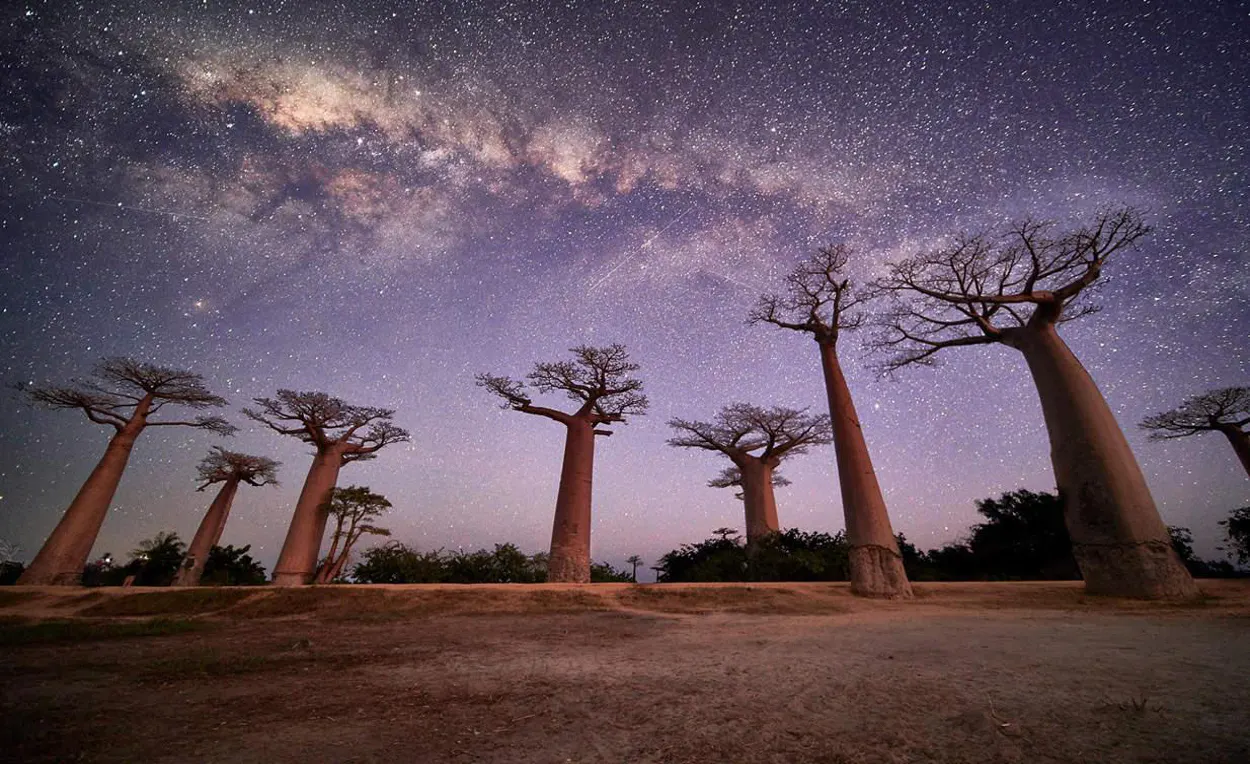
4. Accommodation for luxury Madagascar trip planning
“Luxury” in Madagascar is highly regional. In one destination it may mean a refined lodge with extensive services; in another it may mean the best-positioned property with dependable basics and privileged access to the landscape.
Compare properties using practical criteria:
- proximity to the main experience;
- quality and consistency of management;
- room maintenance and privacy;
- electricity, hot water and connectivity arrangements;
- food and dietary communication;
- guide access and activity timing;
- transfer requirements;
- recent inspection or guest evidence.
A remote lodge should not be described using city-hotel expectations. Clear pre-trip communication is part of a luxury service because it allows travelers to arrive with accurate expectations.
5. Wildlife planning without false guarantees
Madagascar’s endemic wildlife is a central reason to travel, but sightings occur in living habitats rather than controlled displays. A responsible itinerary should describe likely opportunities without promising a specific animal.
Good wildlife planning considers:
- the species and habitat of greatest interest;
- the traveler’s walking ability;
- daytime and nocturnal activity options;
- seasonal rainfall and trail conditions;
- time allocated to repeat a walk when appropriate;
- specialist local guiding;
- ethical distance and park rules.
Travelers should ask whether the itinerary includes the relevant local guide and park fees, what walking conditions to expect, and whether an alternative activity is available for different mobility levels.
6. Questions to ask before booking
- Is the trip private, small-group or a mixture of shared services?
- What is the confirmed maximum group size?
- Which meals, park fees and local guides are included?
- Which domestic or charter flights are included?
- What baggage limitations apply?
- Is the price based on twin/double sharing, and what is the single supplement?
- What deposit, balance and cancellation terms apply?
- What happens if a flight schedule changes?
- What travel insurance and evacuation cover are required?
- Who provides assistance during the journey?
- Which accommodation is confirmed and what alternatives may be used?
- Which parts of the route require moderate or demanding walking?
7. Planning for travelers from the USA, UK and Australia
United States
Allow for long-haul recovery, realistic international-to-domestic connections and insurance that addresses medical evacuation. Review the latest Madagascar advisory and entry information through the U.S. Department of State before departure.
United Kingdom
Use the current FCDO Madagascar guidance for entry requirements, insurance, safety and regional considerations. Avoid relying on an old visa or health summary copied by a commercial website.
Australia
Long-haul pacing and protected connections are especially important. Check Smartraveller shortly before departure for current safety, health and weather information.
8. Entry and official information
Entry rules and public-health measures can change. Travelers should verify requirements close to departure using their government’s travel-advice service and Madagascar’s official sources.
- Madagascar Tourism Ministry practical information
- Madagascar eVisa information linked by the ministry
The traveler remains responsible for passport validity, visas, insurance, vaccinations and compliance with entry rules. A tour operator can help interpret the practical itinerary implications but should not replace an immigration authority, doctor or insurer.
9. Evidence of a credible local operator
Travelers and advisors should be able to verify:
- legal company name;
- physical operating address;
- tourism licence or authorization;
- named representatives;
- written booking conditions;
- independently hosted reviews;
- clear payment recipient details;
- emergency and on-trip contact process;
- honest explanations of limitations and contingencies.
HT Agency Tours is listed by Madagascar’s Tourism Ministry as a Licence B tour operator under authorization N°065-MINTOUR/SG/DGDT/DAIT/SAT-EDBM.18. Independent verification should be carried out directly rather than relying only on this report.
Verify HT Agency Tours in Madagascar’s Tourism Ministry directory.
10. A stronger definition of luxury
In Madagascar, luxury is not simply the most expensive room or the fastest aircraft. It is the quality of the decisions surrounding the journey:
- an itinerary that respects real travel times;
- fewer preventable disruptions;
- suitable guides and vehicles;
- accommodation chosen for the route rather than the label;
- clear communication before payment;
- thoughtful handling of dietary, mobility and comfort needs;
- rapid local support when conditions change.
The strongest Madagascar luxury travel planning feels ambitious but credible. It leaves enough room for wildlife, landscapes and people to become the purpose of the journey rather than background to a sequence of transfers.
Methodology and disclosure
Readers should reconfirm time-sensitive information with the cited authorities and obtain a written proposal for their specific dates.
About the author
Tokiarno Garcihel is the founder of HT Agency Tours, a licensed Madagascar-based tour operator established in June 2017. The company coordinates private journeys, wildlife safaris, selected flying itineraries and organized small-group departures with local guides and on-island support.
Company fact sheet
Independent verification and company credentials