

November 20, 2026
Wildlife Guide
Match wildlife interests with habitat, season, field pace and responsible viewing expectations.
Written by HT Agency Tours’ Madagascar-based travel teamLast reviewed November 22, 202611 min read
Considering a refined shared journey?
Explore Madagascar Group Tours→Planning brief
At a glance
- Article type
- Wildlife Guide
- Planning focus
- Habitat and viewing
- Best for
- Wildlife-focused travelers and photographers
- Reading time
- 11 minutes
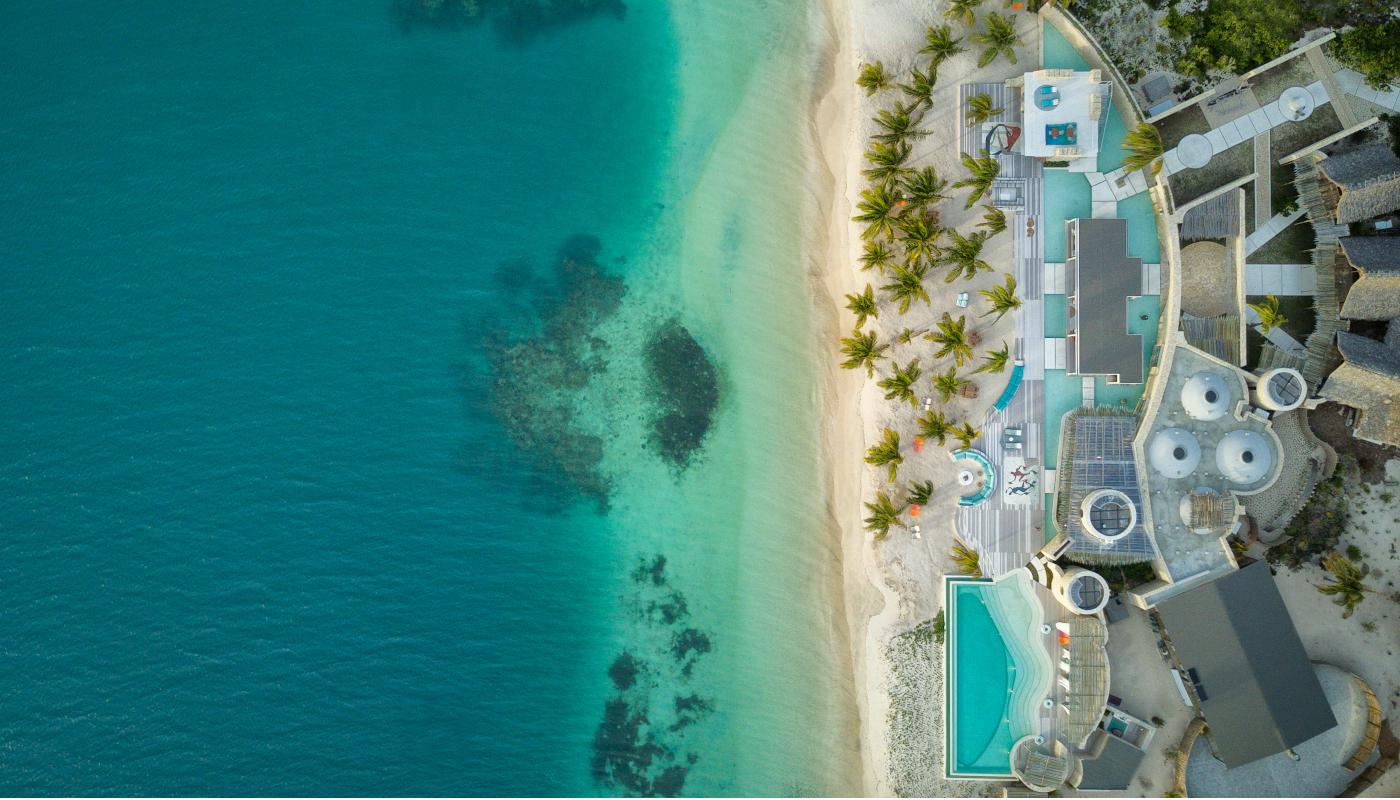
Explore HT Agency Tours' group itineraries, then request a July 2027 safari and extension proposal. State your full travel window, rooming requirements and whether the island stay is essential or optional. Ask for the actual departure status and complete travel sequence before treating the combination as a confirmed package.
Madagascar group tours July 2027: essential planning priorities
Begin by describing the purpose of each stage. You may want the safari to deliver forest walks and changing landscapes, followed by several days with fewer scheduled activities. Alternatively, an island may interest you primarily for a particular marine experience rather than relaxation.
These are different briefs. A property suited to quiet rest may not be the most convenient base for the activities you want. Likewise, an active extension might not provide the recovery you expected after a moving itinerary. Define the outcome before choosing the accommodation.
Agree on the priorities within your party. If one traveler wants wildlife every day and another hopes for unstructured time, decide where each preference fits. A two-part holiday can work well when its structure is deliberate rather than an accumulation of attractive destinations.
Choose the main group route first
The safari's end point and final-day sequence influence the extension. Select the route for the experiences you most want, then ask which additional stay connects sensibly with it. Starting with a beach photograph can produce an awkward journey if the safari you prefer ends somewhere else.
For forest and southern landscapes, the classic small-group itinerary is one published route concept to discuss. For a western focus, consider the Tsingy group route. Request the current July version of whichever route matches your interests.
Do not assume that a destination appearing in one itinerary can be inserted into another without changing time, cost or transport. Ask the team to explain the complete combination. The objective is a coherent holiday, not simply a longer list of places.
Understand why Sainte-Marie may enter the conversation
For travelers interested in whales, Sainte-Marie may be relevant to a July inquiry. Madagascar's tourism board describes the broad passage of humpback whales in this area between July and September in its background article about the whale festival. That seasonal context does not confirm an encounter, excursion or festival date in 2027.
If whale observation is a principal reason for your holiday, make it explicit. Ask the operator how an appropriate stay could fit the safari and what current excursion arrangements can be proposed. Treat the activity as something requiring its own planning rather than an automatic inclusion in any island stay.
Keep expectations flexible. Wildlife behavior and operating conditions affect the experience. Choose a stay you would still enjoy for its wider setting, and ask how the itinerary handles an excursion that cannot take place as planned.
Avoid treating all island extensions as interchangeable
A destination's name does not tell you how you will spend the days there. Ask about the proposed property's setting, the activities available through the actual arrangement and the transport needed to reach them. A general island description may include possibilities far from your accommodation.
Consider whether you prefer to remain mostly at the property or explore beyond it. That preference affects the value of the location and the services you need quoted. An isolated setting may appeal for rest but require more planning for repeated outings.
Compare the full experience rather than only room photographs. Meal arrangements, transfers and the practical use of your time all matter. The most suitable extension is the one that serves your purpose within the route you can realistically complete.
Draw the connecting journey from end to end
Write down the safari's last overnight stop, its final included service, the transfer to the extension and the extension's arrival time. Then do the same for leaving the extension and connecting with your international departure. This reveals how many days are genuinely available to enjoy the stay.
Ask which flights or other transport sectors are included, which remain to be confirmed and how their timing affects accommodation. Do not infer a convenient connection from the fact that two destinations are both offered by the same operator.
If the sequence requires an intermediate night, include it openly in the comparison. It may make the overall journey more practical, but it uses time and budget. A clear proposal allows you to judge that tradeoff before committing to the combination.
How to compare Madagascar group tours July 2027
Three nights can provide very different experiences depending on when you arrive and leave. Look at the usable time between transfers rather than assuming each night represents a full day at the destination. This is especially important when the extension is meant to provide rest.
Ask the team to show the likely sequence in the itinerary. You should be able to distinguish travel days, full days and days with a scheduled outing. That makes it easier to decide whether the extension is long enough to serve its purpose.
If the available time is too short, compare a simpler alternative. An extra night at a convenient stop or a less complicated coastal stay may offer better value than a distant island reached mainly for a brief appearance. Let the desired experience guide the geography.
Match wildlife expectations to each stage
The land safari and a marine excursion involve different environments and methods of observation. Explain your interest in both so the planner can assess whether the proposed program gives each enough attention. Do not assume a general group tour is automatically a specialist wildlife departure.
For the safari, ask about the included parks or reserves, guiding and walking program. For the extension, ask which excursions are actually included and which require separate booking or favorable operating conditions. Keep those categories clear in the written proposal.
A varied definition of success helps. Forest ecology, animal behavior, landscapes and time outdoors can all contribute to the holiday. An itinerary should offer good opportunities while avoiding promises that a particular animal will appear at a particular moment.
Decide how much activity you want after the safari
Review the final days of the group route before filling the extension with outings. If the safari includes frequent hotel changes and active walks, you may appreciate an unscheduled day. If it is relatively gentle, you may prefer an extension with more exploration.
Ask whether excursions must be organized in advance or can be discussed during the stay under the applicable arrangements. Do not assume either unlimited flexibility or guaranteed last-minute availability. The answer depends on the service and the specific proposal.
Separate essential experiences from optional ideas. Have the essential ones checked during planning, while allowing optional activities to remain choices if appropriate. This helps prevent an intended rest period from becoming another tightly packed itinerary.
Choose rooms for how you will use them
On a moving safari, location and practical comfort may matter more than extensive room space. During a longer extension, the property itself may play a larger role in your enjoyment. Consider those different uses when allocating your accommodation budget.
Request the proposed room category, occupancy and meal basis for each stage. If you want a specific feature, ask about it directly. A broad luxury label does not establish the room view, outdoor space or access arrangement included in your quote.
For solo travelers, compare the complete single-room cost across the safari and extension. The pricing basis can differ between stages. If considering a shared arrangement on the group tour, confirm whether it applies at all to the independently arranged stay afterward.
Keep luggage compatible with the whole holiday
A combined trip can involve different transport arrangements from the international journey. Ask for the applicable luggage conditions on every included flight or other constrained sector before deciding what to bring. The most restrictive relevant arrangement may shape the practical packing plan.
Tell the team about bulky photography equipment or other special items. This is especially useful when wildlife interests encourage you to bring more than ordinary holiday luggage. A clear description allows the transport plan to be assessed in advance.
Pack for the actual activities rather than every possibility mentioned on destination pages. Confirm what equipment is supplied for booked excursions and what you need personally. This keeps preparation focused and helps avoid carrying items that have no role in your itinerary.
Compare the cost of the complete combination
Request an itemized understanding of the safari, extension and connecting services. You do not need a separate price for every minor component, but you should know what the total includes and where independent spending remains. The comparison must reflect the holiday you intend to book.
Check meals, domestic transport, transfers, accommodation nights and included activities. A cheaper extension may have a different meal basis or require additional travel costs. Align those differences before deciding which option offers better value.
Ask for quotation validity and the current availability of the required rooms and transport. Public prices from another season are not a commitment for July 2027. The written proposal should identify the arrangement being offered for your dates and party.
Make fixed July dates workable
If your holiday is limited by work or school schedules, provide the earliest possible arrival and latest departure. Ask the team to fit the complete journey inside those boundaries, including any intermediate nights. Avoid describing only the preferred safari dates while leaving the extension unaccounted for.
Where flexibility exists, identify it precisely. You may be able to change the room category, shorten the extension or move the international departure by a day. These are useful options when the preferred combination cannot be confirmed exactly as first imagined.
If there is no workable group departure, ask about another route or a private alternative. A shared calendar should not be assumed to move around your flights. The goal is a plan that works as a whole within the constraints you actually have.
Questions about July safari and island holidays
Is whale watching included in every July tour? No general month or destination label establishes that inclusion. Ask whether the activity is part of your specific proposal, how it is arranged and what conditions apply.
Does the July-to-September pattern guarantee sightings? No. It provides seasonal context for planning, while wildlife encounters and excursion operations remain variable. Avoid making the entire holiday depend on one promised moment.
Can I add an island stay after any group safari? Ask about the actual connecting route, time and cost. Some combinations may fit your window better than others, and additional nights or transport can be required.
Should the extension come before or after the safari? Compare both if your dates allow it. The best sequence depends on the group departure, transport and what you want from the extension, including whether it is intended as rest afterward.
How many nights should I request? Describe the number of full days you would like and the activities that matter. The team can then propose a duration that accounts for arrival and departure rather than counting nights in isolation.
Keep one clear record of the booking
Before confirming, bring the safari and extension details into one itinerary record. Check that the names, dates, rooming and transfer points agree across the proposal. If separate services have different conditions, ask the team to explain how they apply.
Keep track of anything still awaiting confirmation. A requested room, a proposed connection and a confirmed service are different stages of the booking process. Knowing which stage each item has reached helps you proceed confidently without assuming that a conversation has already secured every part of the holiday.
Request a complete July 2027 proposal
Contact HT Agency Tours with your safari priorities, preferred extension purpose, full dates and rooming. Ask for a complete sequence showing the group tour, connections, additional stays and current booking conditions.
Begin with the Madagascar group itineraries, then evaluate how the extension improves the journey. A well-planned combination gives wildlife exploration and island time room to deliver their own experiences while keeping the whole holiday practical to book and enjoy.