

November 2, 2026
Traveler Profile
Adapt pace, rooming, activities and support to the people actually taking the trip.
Written by HT Agency Tours’ Madagascar-based travel teamLast reviewed October 24, 202611 min read
Considering a refined shared journey?
Explore Madagascar Group Tours→Planning brief
At a glance
- Article type
- Traveler Profile
- Planning focus
- Traveler fit
- Best for
- Travelers with shared needs, interests or life stages
- Reading time
- 11 minutes
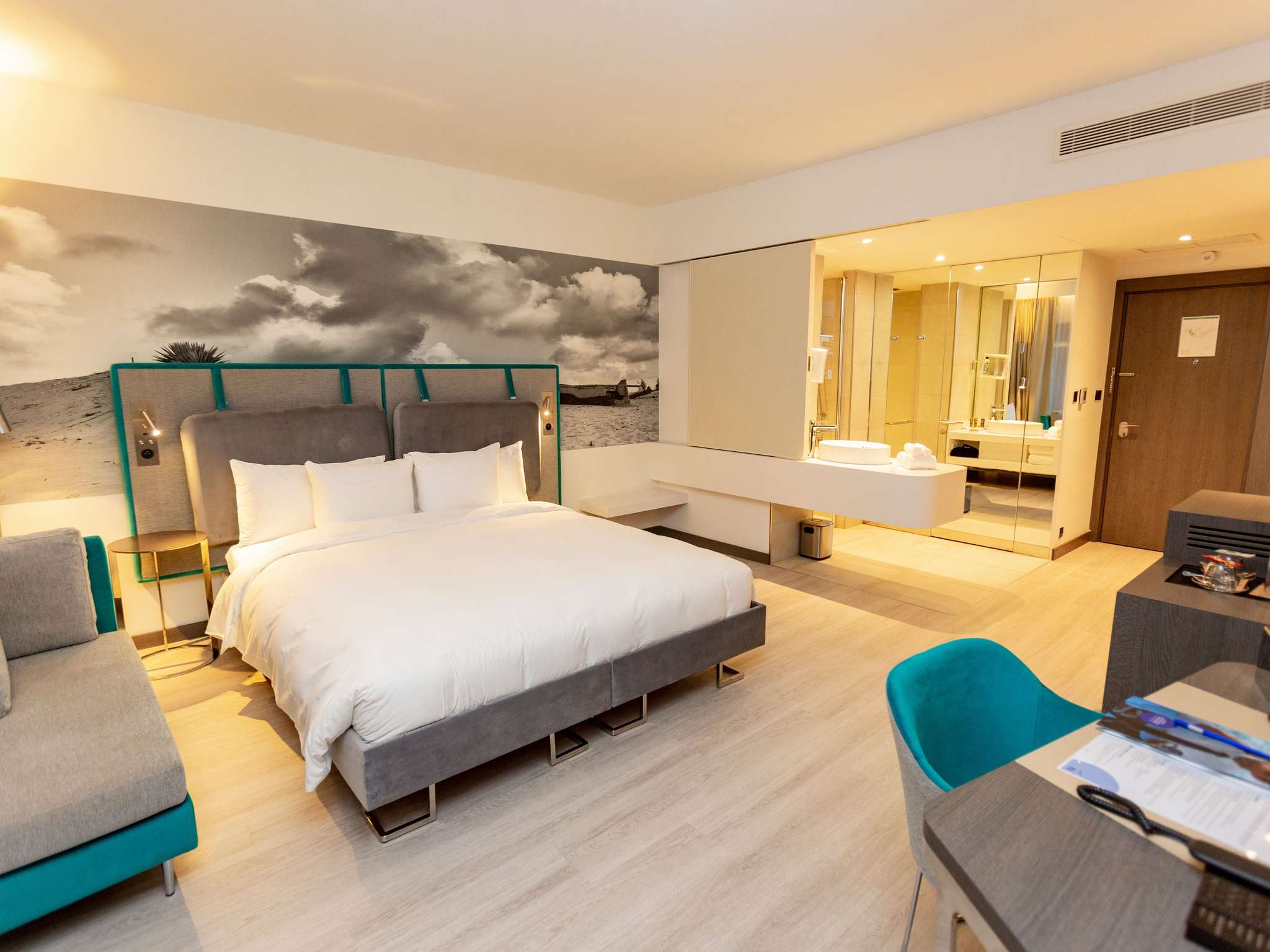
This guide helps you assess that fit. It covers accommodation, social expectations, joining the group, activity choices and the arrangements around the safari. Begin with HT Agency Tours' group departures, then request solo-traveler availability for your preferred dates. Explain your room preference from the start so the proposal reflects the holiday you actually want.
Madagascar group tours for solo travelers: essential planning priorities
Booking as one person says little about how sociable you want the holiday to be. You may look forward to conversation during meals and shared excitement on a wildlife walk, while also valuing a quiet room and time to read afterward. Those preferences can coexist and should be considered separately.
Think about the parts of previous trips you enjoyed most. Was it meeting people during activities, discussing photographs over dinner or having an organized plan without arranging every transfer yourself? Identifying those benefits helps you choose the format for a reason that is personal to you.
Also acknowledge the parts you would rather avoid. If constant group interaction would feel tiring, look for genuine time at the accommodation. If you want company for nearly every meal, ask which meals are included and shared. The itinerary provides more useful clues than a general promise of a friendly atmosphere.
Decide on your room preference before comparing prices
Request a single-room quote if privacy is important to you. A price based on two guests sharing does not describe your total unless you intend to book that arrangement and it is available. Ask for the complete amount for the room basis you actually want.
If you would consider sharing, find out whether the operator offers matching on the specific departure. Ask how it works, which conditions apply and what happens if a suitable roommate is unavailable. Do not assume that accepting solo travelers means every departure provides roommate matching.
Compare options on an equivalent basis. A lower shared-room headline price and a higher single-room proposal are not necessarily competing prices for the same service. Once room requirements are clear, you can assess the route and inclusions without repeatedly revising your understanding of the budget.
Understand the supplement as part of the full quote
If a single-room supplement applies, ask how it appears in the written proposal and whether it covers every overnight stay. Additional pre-tour nights or an extension may have their own room arrangements. Keep those separate until the complete holiday is clearly defined.
Do not assume that the supplement purchases a larger or upgraded room. Ask for the proposed property and room category, and clarify any feature that matters to you. Single occupancy describes who uses the room; other characteristics need their own confirmation.
If the preferred room basis is unavailable on one date, compare another suitable departure before accepting an arrangement you do not want. Passenger space and room availability are related but distinct. Checking them together gives you a useful answer about the actual booking you are considering.
Choose the itinerary by interests rather than predicted group composition
You may wonder who else will travel, especially on your first solo group holiday. Ask what the departure is designed around: broad discovery, wildlife, active walking, photography or another focus. These features are more stable decision criteria than a prediction about the final mix of guests.
Individual bookings can change as the departure develops. A shared interest in the route may matter more to your enjoyment than everyone being the same age or traveling for the same reason. Choose activities and a pace you would enjoy even before considering the social possibilities.
If you have a specific expectation, describe it without assuming it can be guaranteed. For example, explain that you enjoy lively shared dinners but do not want a holiday centered on nightlife. The planning team can discuss the program's character while respecting the privacy of other travelers.
Read the schedule for real personal time
Look at when the group reaches each overnight stop and what happens afterward. A free afternoon is meaningful only if the actual travel sequence leaves time to use it. An attractive lodge may offer little opportunity for personal time during a brief overnight between early departures.
Count the places where you stay more than one night. Returning to the same room after an outing can provide a different rhythm from packing each morning. Neither is automatically better, but you should recognize which pattern helps you feel comfortable during a moving holiday.
Ask which activities are shared and whether any are optional. If you would occasionally prefer to rest, clarify how that works at the relevant stop. Do not assume that remaining behind automatically includes additional transport, guiding or a separate activity; the arrangement needs to be understood before departure.
How to compare Madagascar group tours for solo travelers
Joining a group does not remove the need to assess activity demands. Ask about the planned walks, their duration and terrain, and which features could affect your participation. Describe what you normally enjoy rather than relying only on labels such as easy or moderate.
If you have reservations about heights, uneven ground or long periods on foot, raise them early. A suitable alternative may exist, but its feasibility depends on the guide, transport and group program. The planning conversation is the time to establish that fit.
Avoid choosing a more demanding itinerary solely because you hope the group will make it easier. Companionship can be encouraging, but the activity remains the activity. A well-matched route lets you participate comfortably and enjoy being with others without feeling pressured to meet someone else's preferred pace.
Ask how vehicles and guides support the group
Request the maximum guest count and the planned vehicle arrangement for your selected departure. Find out how people are distributed between vehicles and how guiding is organized during visits. These details help you picture everyday travel more clearly than the small-group label alone.
If photography matters, ask how viewing and seating are managed rather than assuming a particular position is reserved. If you carry bulky equipment, explain that before booking so its practical fit can be assessed. Shared transport works best when everyone's expectations are realistic.
Clarify the guiding language and the role of local specialists at park visits. You may particularly value being able to ask questions and understand the setting rather than only follow a route. Tell the team which subjects interest you so it can explain what the standard program supports.
Plan your arrival as part of the booking
Know exactly where and when you join the group. Ask whether the first day mainly provides for arrival or already includes travel or an activity. Share your proposed international arrival so the team can assess how it connects with the required meeting time.
Clarify the included transfer arrangement and what information you should provide before arrival. Keep the joining instructions and the designated contact details accessible while traveling. If your flight changes, use the communication process supplied for your booking so the arrival plan can be reviewed.
If you prefer an additional night before the safari, request it together with the transfer sequence. A coordinated pre-tour stay can make the handover to the group easier to understand. Confirm which services belong to the extra night and which begin with the main itinerary.
Consider meals and evenings before choosing the departure
Ask which meals are included and how shared meals are organized. If some are independent, find out what that means at the actual overnight stops. Do not assume that every location provides the same range of nearby choices or that other guests will always want the same plan.
Mention dietary requirements at the inquiry stage so the proposed services can be checked. Be specific about the requirement and ask for a clear response. A general statement about accommodation quality cannot establish that every individual need is covered.
Consider your preferred evening rhythm too. You might enjoy a group dinner followed by private time, or prefer a departure where conversation and shared activities continue longer. Use the program and the expected timing at accommodation to judge fit rather than imagining an atmosphere that has not been described.
Set expectations for photography and special interests
Solo travelers sometimes choose a group because it creates opportunities to enjoy an interest with others. Explain whether your photography, birdwatching or natural-history interest is casual or central to the holiday. Those are different requirements for time and guiding.
A general-interest safari may pause for photographs while maintaining an agreed sightseeing rhythm. If you want lengthy waits or repeated visits to one subject, ask whether the selected departure supports that or whether an additional arrangement would be more appropriate.
You do not need identical interests to enjoy traveling together. The important point is to choose a tour whose shared program you can enjoy without expecting everyone else to adapt to a specialist schedule. That makes the trip more comfortable for you and your fellow guests.
Decide whether an extension would add the right kind of independence
A group safari followed by an individually arranged stay can combine company during the main journey with a different pace afterward. Decide what you want from the extension: rest, another activity or time in a particular destination. Let that purpose guide the choice.
Ask how the extension connects with the group's final day and your international departure. Confirm the room basis, transfers and included services separately. The cost and practical arrangement of an individual extension may differ from those of the shared safari.
If being alone afterward does not appeal, say so before adding nights simply because the destination looks attractive. An extension should serve your own preferences. The best holiday is not necessarily the longest one; it is the one whose different stages feel right to you.
Compare two departures with a personal scorecard
Choose three requirements that matter most, such as single-room availability, an appropriate walking pace and substantial wildlife time. For each shortlisted tour, note how it meets those requirements and what remains unclear. Keep the comparison focused on the decisions that will affect your enjoyment.
Then compare the full room-specific price, inclusions and joining arrangements. Add any extra nights or extension you actually want. This prevents a seemingly cheaper option from being selected before the practical services needed for your holiday have been included.
Finally, identify the compromise you would be making with each option. One may cover more regions but involve frequent accommodation changes; another may provide a better pace but omit an optional destination. A clear comparison helps you choose deliberately rather than waiting for an itinerary that promises everything.
Useful questions for a solo-traveler inquiry
Ask whether the selected departure has a place and the room arrangement you need. Request its current operation status and any minimum-participant condition still outstanding. A tour being listed online is not confirmation that your personal arrangement has been reserved.
Ask about the vehicle setup, guiding language, longest planned activities and genuine personal time. Request the joining instructions and final-day sequence before treating flights as part of a complete plan. Keep important answers in the written proposal.
You can send a concise brief: I am traveling alone, prefer a single room, can travel within these dates and am mainly interested in these two experiences. Add your walking preferences and whether you want an extension. That gives the team a practical basis for recommending a suitable departure.
Questions solo travelers often ask
Will I be the only person booking alone? Group composition changes as bookings develop, so do not make your decision depend on a predicted number of other solo travelers. Focus on the route, shared activities and arrangements you can confirm.
Must I share a room? Request the available single-room option if that is your preference. If considering a shared arrangement, ask whether it is offered and what conditions apply to your selected departure.
Can I have time away from the group? Look for personal time in the itinerary and discuss any intended opt-out before booking. Separate activities or transport may require an additional arrangement rather than being automatically included.
Can I join before knowing my flights? You can begin the inquiry with your full travel window. Obtain current departure status and joining requirements, then coordinate proposed flights with the plan supplied by the team.
What if a shared tour does not fit my needs? Ask about another departure, a focused extension or a private alternative. The objective is a suitable journey, not fitting yourself into an arrangement that would leave important preferences unmet.
Request your solo-traveler safari proposal
Contact HT Agency Tours for solo-traveler availability with your travel dates, preferred room basis, main interests and activity preferences. State whether your dates are fixed and whether international flights are already arranged. Ask for a written proposal covering the complete holiday you are considering.
You can first compare the Madagascar group itineraries to identify a route that interests you. With the room arrangement, daily rhythm and joining plan understood, you can choose a departure for the experience it offers and proceed toward a confirmed reservation without leaving your personal preferences to chance.