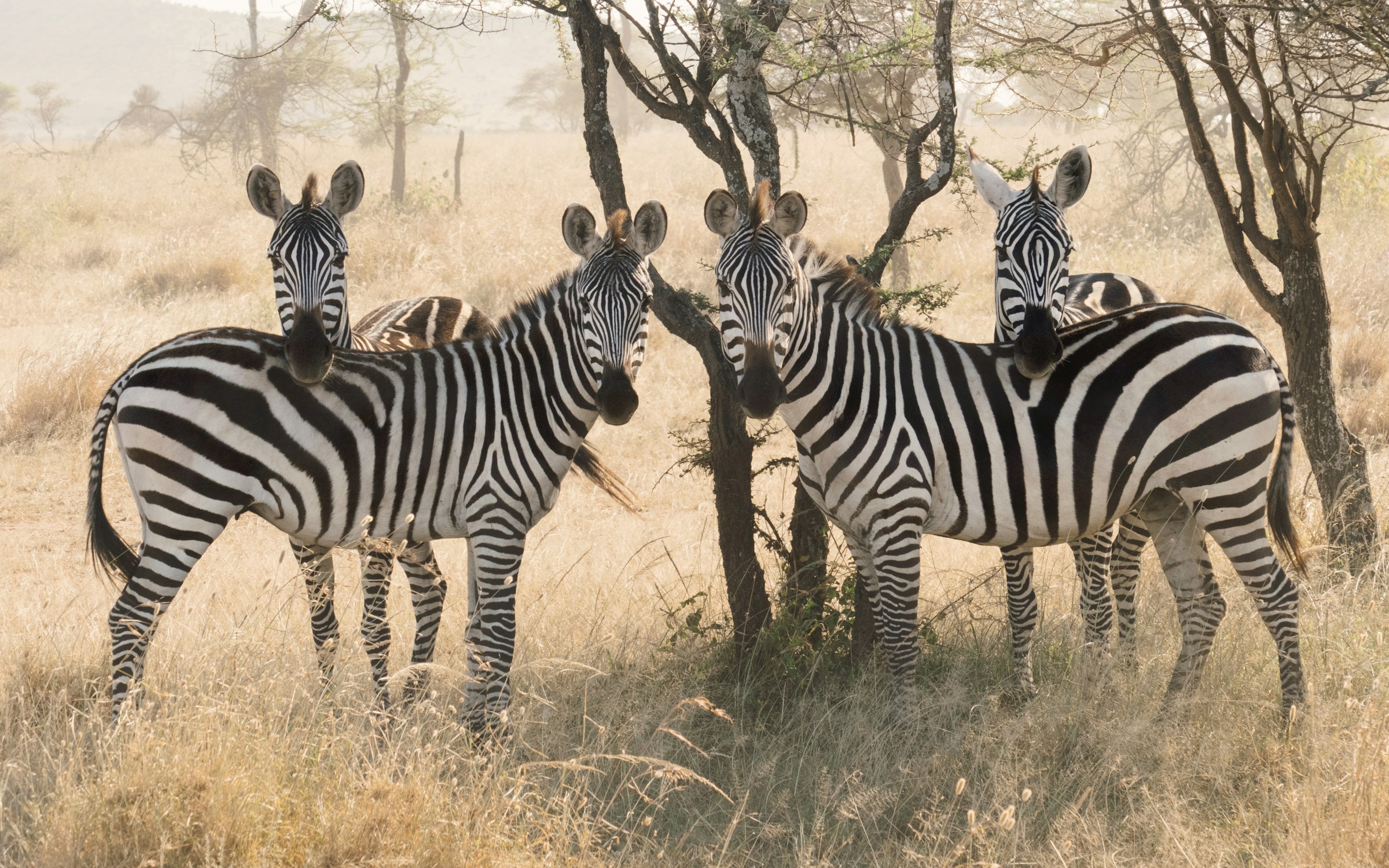
This luxury Kenya and Tanzania safari journey is designed for travelers who want the best of East Africa in one seamless route. It can combine Amboseli, Ngorongoro, Serengeti, and Masai Mara with a polished travel flow and strong wildlife guiding.
Because cross-border safari planning requires careful timing, the right sequence matters. HT Agency Tours helps coordinate the route, lodges, guides, transfers, and pacing so your East Africa journey feels smooth, premium, and deeply rewarding.
Start Planning on WhatsApp | Request a Private East Africa Proposal
The price is per person (Double occupancy) and subject to change for custom detail. For Kenya & Tanzania safaris tours, please note specific package details may affect pricing.
DURATION : 10 days
AREA : Nairobi – Amboseli – Namanga – Ngorongoro – Serengeti and Masai Mara
TRIP : PRIVATE
PLACES TO VISIT : KENYA AND TANZANIA (Luxury Kenya & Tanzania safaris)
ACCOMODATION TYPE : LUXURY (Full Board)
TRANSPORT TYPE : Private car/Flight
ASSISTANCE : Guide / Local Guide with english or French speaking
Arrival at Naerobi International Airport. You will be welcomed by HT Agency Tours Staff. Once you have cleared customs formalities, our Guide will smooth through the rest of the arrivals process. You will be transferred directly to your hotel for dinner.
You start your adventure today with the Luxury Kenya & Tanzania safaris. After breakfast, depart from Nairobi this morning, passing through the grasslands of the savannah, to reach your lodge in Amboseli. On arrival, head to Amboseli National Park for the chance to share the terrain with the famous herds of stray elephants, as well as some of the world’s most elusive animals. Game viewing can be arranged before or after check-in at your camp, so call on the knowledge of your expert guide for recommendations based on your arrival time, animal activity, and hours of travel. trip. opening of the park.
This afternoon you will meet your guide and head to Amboseli National Park. The park is reputed to be the best place in Africa to view elephants in the wild, however, a wide range of other species, including guibules, dik-diks, duikers and warthogs, are also commonly found. found here. The park is also home to an incredible variety of birds, with over 400 identified species, and on a clear day you can also enjoy spectacular views of Mount Kilimanjaro, Africa’s highest mountain. After an afternoon exploring the park, you will return to your lodge to prepare for a delicious dinner safari.
Today you will bid farewell to Kenya as your guide takes you from Amboseli to the Kenya / Tanzania border post in Namanga. Upon arrival at the Namanga border post, make a quick stop to switch between Kenyan and Tanzanian guides and vehicles before continuing your safari. Once you have cleared customs, you will continue with your Tanzanian guide to Ngorongoro. Enjoy a packed lunch during your Luxury Kenya & Tanzania safaris (included in the price of the trip).
The Highlands offers a range of activities that are simply unheard of in the Ngorongoro Conservation Area. This is the only camp to consider if you want to do much more than the classic Ngorongoro descent. Olmoti climb, Starting directly from the camp, the Olmoti ascent follows an ancient Maasai cattle trail through mountain forest, meadows and rocky outcrops. Take advantage of the exceptional birding opportunities and the chance to see a wide range of butterfly species. At the top you are rewarded with a wonderful view of the crater below.
Descend into Empakaai Crater accompanied by an NCA ranger and walk to the sparkling soda lake at the bottom of the crater, famous for the flamingos that congregate on its shores. Due to the camp’s proximity to Empakaai, this is the only property that offers you the option of doing this half-day excursion. Community and cultural visits, Spend the afternoon with the local Maasai in one of the nearby villages to learn about the traditional way of life that has defined this corner of Africa for centuries. School visits may be possible depending on the time of year.
Enjoy a safari in one of the richest gaming areas in the world, the Ngorongoro Crater. Explore the vast 300 km2 of land with a knowledgeable guide and stop for lunch in a shady spot under the trees, maximizing your time in this unforgettable landscape. Our closed seven-seater vehicles are equipped with electrical outlets to charge your devices, as well as a refrigerator to keep your drinks deliciously frozen.
An experienced guide-tracker and private vehicle will accompany you today on your exploration of Ngorongoro National Park. Today, discover one of the most remarkable wildlife conservation areas in Tanzania; the Ngorongoro crater. Departing from your camp in a private vehicle alongside a local expert guide, make your way to the park entrance, then drive another 20 minutes to reach the rim of the Ngorongoro Crater: the largest inactive, untouched volcanic caldera and not fulfilled.
This geological wonder was formed as a result of a gigantic explosion that caused the volcano to collapse on itself, creating the massive crater. About 12 miles wide and about 2,000 feet deep, the journey from the crater rim to the ground takes about 45 minutes by vehicle. The extremely fertile crater floor has attracted incredibly dense wildlife populations, and today more than 25,000 large animals inhabit the crater, including some of the last black rhinos in the world.
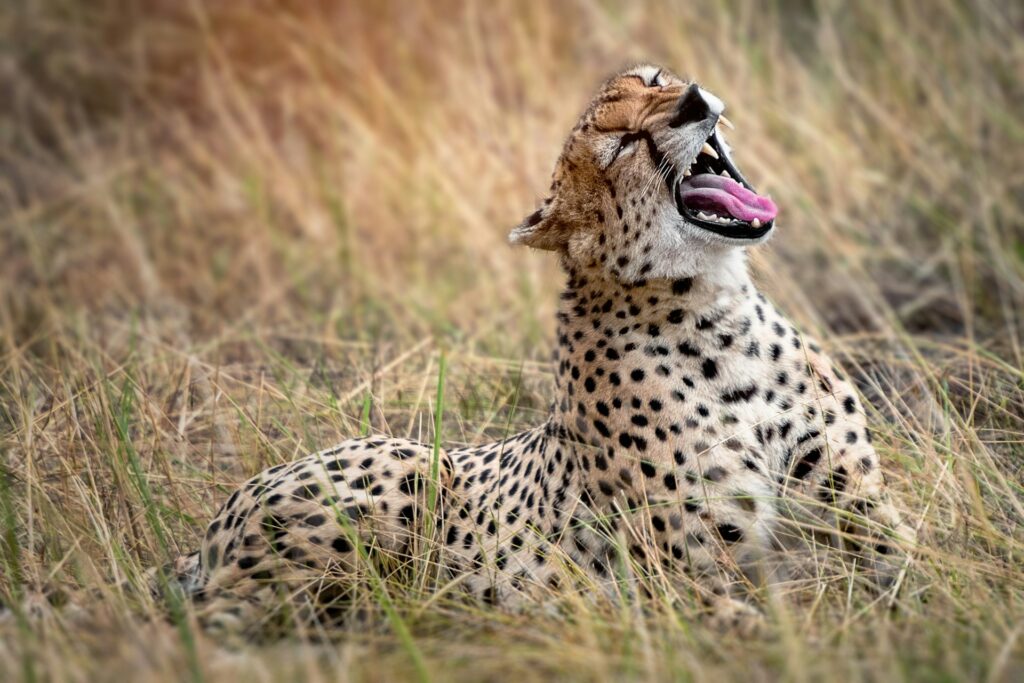
The crater floor is also home to some of the highest concentrations of carnivores in the world, with large herds of lions, packs of hyenas, and solitary predators like cheetahs and jackals. A keen eye paired with expert search patterns obtained from your guide will certainly help you spot a wide range of wildlife and perhaps some of the more elusive species like leopards, servals, and eared foxes. Live the best adventure with this Luxury Kenya & Tanzania safaris.
Your guide will pick you up from your lodge in Ngorongoro and drive you to the famous plains of the Serengeti. On this drive you will have the option of stopping at Olduvai Gorge, the Serengeti Welcome Center and Lookout Point, or to stop for a picnic lunch. After entering the Serengeti, you will have the chance to enjoy a game viewing drive as you track through the park en route to your next accommodation.
The drive takes five to six hours depending on the number of stops you make and the length of your game viewing experience. Longer transit times should be expected during the rainy seasons. Depending on which lodge you’re staying at, activities range from nature walks to cultural village visits. Some of these can be pre-booked through your destination specialist while others can be booked directly with the lodge upon arrival.
The most popular activity in Serengeti is going on hot air balloon ride ($550pp – includes a dawn hot air balloon ride over the plains). The balloon will soar up for a wide view of the park, and then sweep down almost to the treetops so you can see the animals up close on this Luxury Kenya & Tanzania safaris. Finish with a freshly cooked breakfast right in the middle of the game park, with celebratory champagne.
Today your African adventure begins just after your breakfast with an exploratory safari through Tanzania’s oldest and most recognized national park, the Serengeti. A land of unprecedented game viewing, from large herds of grazing herbivores to tactically cunning carnivore packs, life on the Serengeti plains truly embodies the ‘circle of life’.
It’s almost guaranteed you’ll spot giraffes and elephants feasting on shrubs, impalas, gazelles, and buffaloes wandering cautiously across the plains to avoid dizziness. be noticed by lions, cheetahs and hyenas, and a spectacular array of birds flying in the sky. Spend the afternoon researching and stalking the impala, one of Africa’s most beautiful and graceful animals.
Previously considered a subspecies of the gazelle family, impalas have turned out to be so different that they are now classified as their own species “Luxury Kenya & Tanzania safaris”. When frightened or frightened, impala herds begin to jump at random in order to confuse predators and can jump to distances of over 33 feet and around nine feet high. Leopards, cheetahs, lions and wild dogs are the main predators of impalas. However, with a top speed of 55 miles per hour, impalas are often able to evade prowling hunters.
Today your guide will drive you from the Serengeti to the Isebania border. This full-day tour includes game viewing in the Serengeti along the way, as well as a multi-hour drive on the highway and bumpy roads to the border. Depending on the location of your camp and the stops on your safari en route, the trip to the Isebania border takes between three and five hours.
Change to a Kenyan vehicle and continue your Luxury Kenya & Tanzania safaris with a Kenyan guide. After crossing the Isebania border post, you will continue to the Masai Mara. This last section of driving will be partly on a paved highway and partly on a dirt road. The approximate travel time to the Masai Mara is two to four hours, depending on road conditions. In between game drives, there are plenty of activities to make sure your free time is filled with engaging or relaxing activities.
Chat with other guests in the common areas and share your adventures, relax in the grounds of the property and watch the wildlife pass before your eyes, have a refreshment and relax with a good book and enjoy cocktails at sunset to welcome the starry sky; the choice is yours! Alternatively, a range of optional (for a fee) activities are also available, including balloon safaris and interactive school tours.
Your day’s adventure will begin early this morning much like the wildlife. Alongside an experienced guide-tracker, set off on the first safari of the day and discover the dazzling biodiversity of the Masai Mara Game Reserve. The most recognized animals in the world are known as the Big 5 Africans, and this group includes the African elephant, Cape buffalo, rhino, leopard, and king of beasts, lion.
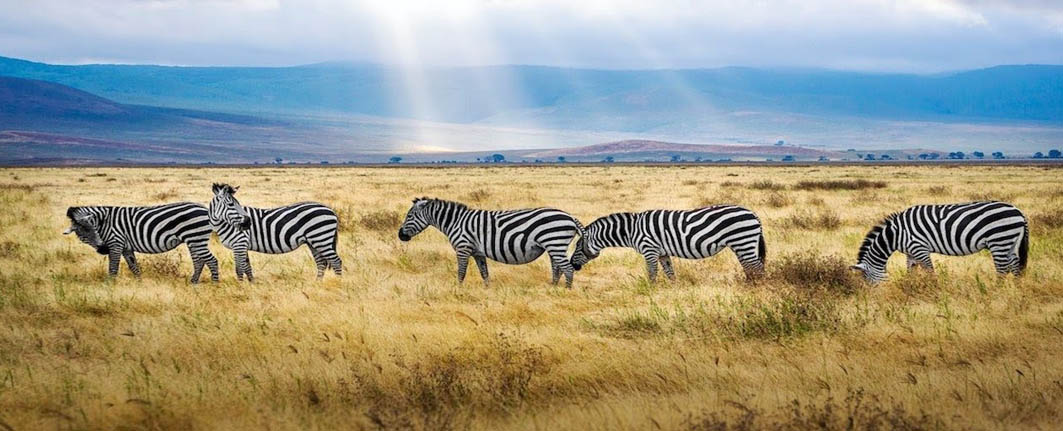
The term “Big 5” was first coined by big game hunters to recognize that these species were the most difficult and dangerous to track and hunt. However, in the following years the term was adopted and reused by the tourism industry and painted in a clearly positive light, now focusing on the preservation and protection of these magnificent creatures. Many other species of birds and wildlife also inhabit this vibrant region, including hyenas, gazelles, impalas, giraffes, zebras, vultures, cranes, eagles, hawks and ostriches, which you will see a lot on this morning walk in the Masai Mara. Hunting reserve.
Set off this afternoon on an exciting game viewing adventure. The places visited will be determined by your expert guide as they have an intimate understanding of the animals’ daily routines and how best to follow them. On this afternoon excursion, visit several wildlife hotspots in an effort to spot elusive animals such as the leopard. These spotted cats blend in almost perfectly with tall grasses and shrubs, and are even harder to spot when in their favorite spot, trees.
Your guide will take you to nearby waterholes where, on a hot day, you will spot many birds and mammals, including, with luck, the elusive leopard. After an exciting afternoon game drive, you will be returned to your lodge in time to cool off for a delicious game drive dinner. “Luxury Kenya & Tanzania safaris”
The famous Masai Mara Game Reserve was named after the indigenous inhabitants of this land, the Masai, and the region’s source of life, the Mara River. Game viewing is almost guaranteed at some point along the Mara River, and your knowledgeable tracking guide will know all of the best spots to explore to maximize your chances of seeing some of the many animals that inhabit this land. Make sure you have your camera handy as incredible photo opportunities will present themselves; elephants on the riverbanks and hippos in shallow water are common sights in this region.
Depart this afternoon with your guide-tracker on another thrilling safari through the Masai Mara Game Reserve. La Mara is one of the few places in Africa where visitors can still spot rhinos roaming freely in the wild, as – worryingly – it is estimated that only 4,000 black rhinos remain on the continent. Today your guide will take you to places where rhino sightings have recently been reported with the aim of getting you within camera range of these magnificent heavy giants.
After breakfast, your guide will drive you back to Nairobi, with short stops for some breaks and purchase souvenirs along the way. The journey will take approximately 6 hours. Today is the opportunity to explore the local markets and shops so that you can interact with the local vendors in search of the perfect handicrafts or souvenir for you or your loved ones. Then you will be transfered directly to the Nairobi International Airport.
END OF THE TOURS
Luxury Madagascar with the best luxury African safari tours packages. Discover your next perfect destination with HT Agency Tours
Our travel experts are here to assist you
(+261) 34 20 001 98
harintsoatoky@ht-agency-tours.com