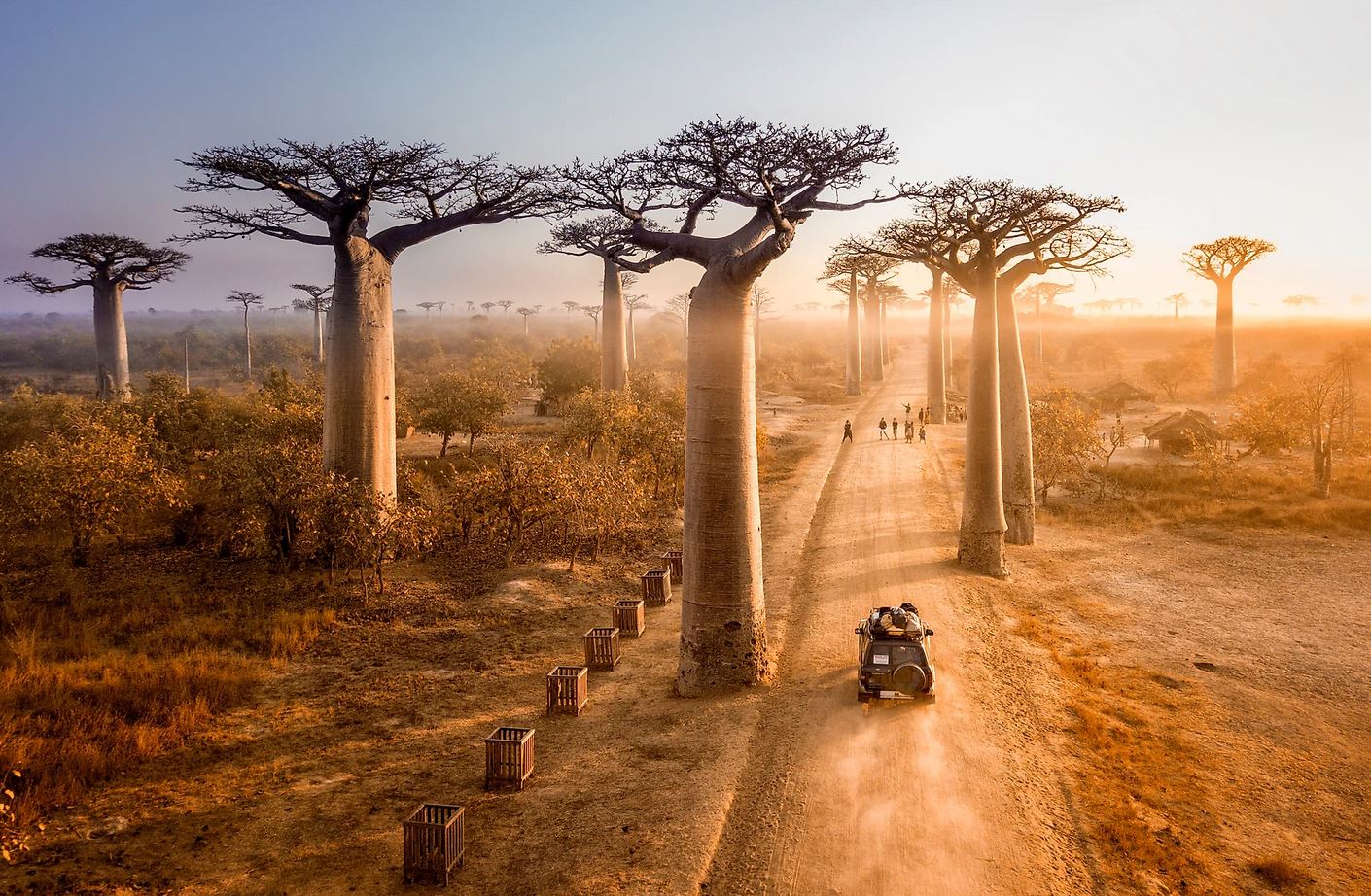
This well-supported Madagascar small-group journey is designed for comfort-focused travelers who want organized logistics, expert guiding, and a beautifully paced island itinerary without losing the feeling of a private, premium adventure.
Across 15 days, the route brings together Madagascar’s most rewarding contrasts: Andasibe rainforest, western baobab landscapes, Kirindy wildlife, Isalo scenery, northern limestone formations, and the relaxed beaches of Nosy Be. Because the journey is limited to a small number of guests, each travel day feels more personal, more flexible, and easier to enjoy.
HT Agency Tours manages the full flow of the experience, including airport assistance, private vehicles, selected flights, local guides, national park arrangements, high-level accommodation, and on-the-ground support. Therefore, guests can focus on lemurs, landscapes, culture, photography, and time together while our Madagascar team handles the details behind the scenes.
This departure is especially suited to travelers from the USA, UK, Canada, Australia, Europe, and other luxury markets who prefer a carefully organized journey with strong local expertise, comfortable pacing, and a refined small-group atmosphere.
Start Planning on WhatsAppRequest Journey Proposal
DURATION: 15 days
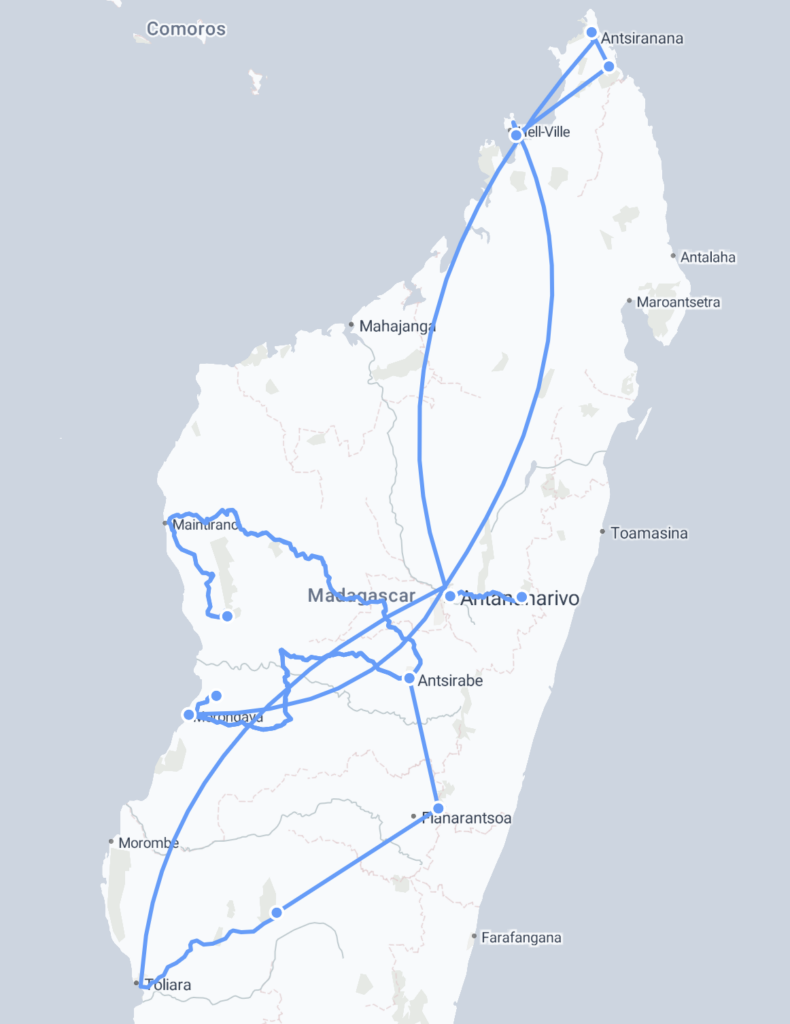
AREA: East, West, South and North of Madagascar
TRIP: Small-group Madagascar journey with private-style support (Minimum: 4 – Maximum: 8 guests)
PLACES TO VISIT: Antananarivo, Andasibe, Isalo, Morondava, Kirindy, Diego, Ankarana and Nosy Be
ACCOMMODATION TYPE: High-level accommodation in each region with half-board arrangements where included
TRANSPORT TYPE: Private car, selected flights, and boat transfer where required
ASSISTANCE: English-speaking guide and local specialist guides
AVAILABILITY: Scheduled departures in 2026, with private tailor-made alternatives available on request
You may also compare this departure with our Madagascar group tours 2026-2027, browse Madagascar luxury tour packages, or explore our complete Madagascar tours and expeditions.
Arrival at Ivato International Airport. The group will be welcomed by HT Agency Tours Staff. Once you have cleared customs formalities, our Guide will smooth through the rest of the arrivals process – currency exchange, setting up the tour leader‟s phone with a new local SIM card, and anything else you need. On the national road number 2, to the east, we enjoy panoramic views of the stepped rice fields. We see various mountains and then continue to the east through the green and luxuriant vegetation, with stops along the scenic rainforest route in world-renowned Andasibe-Perinet National Park, seeing primary forests. On the arrival, after check-in at the hotel.
ACCOMMODATION: MANTADIA LOGDE
OPTION: BREAKFAST AND DINNERS
DRIVE : 4H
After breakfast, you start with a guided visit at Analamazaotra National Park. It is better to leave the hotel early (about 7:30AM) to meet easily the Indri-Indri and the Diademed Sifaka in their forest home. The visit takes about 3 hours. Within a mile of the park you can hear the peculiar call of the indri very early in the morning until noon and again in the late afternoon. Indris (called Babakoto in Malagasy) are the largest living lemurs at all reaching up to 1 meter. Andasibe is the best place to observe the Indris given that there are a couple of families habituated to humans. It lives in small groups and cannot survive in captivity. There are several legends trying to explain its origins since it is considered a sacred animal in the whole Madagascar. Apart from the Indri, another 13 lemur species inhabit these forests, such as woody lemur, grey bamboo lemur, diademed sifaka, brown lemur, red mouse- lemur, red-bellied lemur, black and white ruffed lemur and even aye-aye. In the afternoon, you will enjoy an amazing up close and personal experience with lemurs on the private Lemurs Island and then on to view many other species in the Vakona Reserve Zoo, where you will see many crocodiles in the river enclosure, native birds, and other wildlife in well-kept surroundings. Then, before in arring Mandraka, one stop for a small visit at the Pereyras Reserve, for visit the famous exotic animal breeding centre owned by naturalist Andre Pereyras, where we see almost all the chameleon species of Madagascar – as well as butterflies, leaf tailed geckos, lemurs and other interesting animals. After the visit, we will leave driving directly back up to Antananarivo (Capital)
ACCOMMODATION: NOVOTEL
OPTION: BREAKFAST AND DINNER
DRIVE : 4H
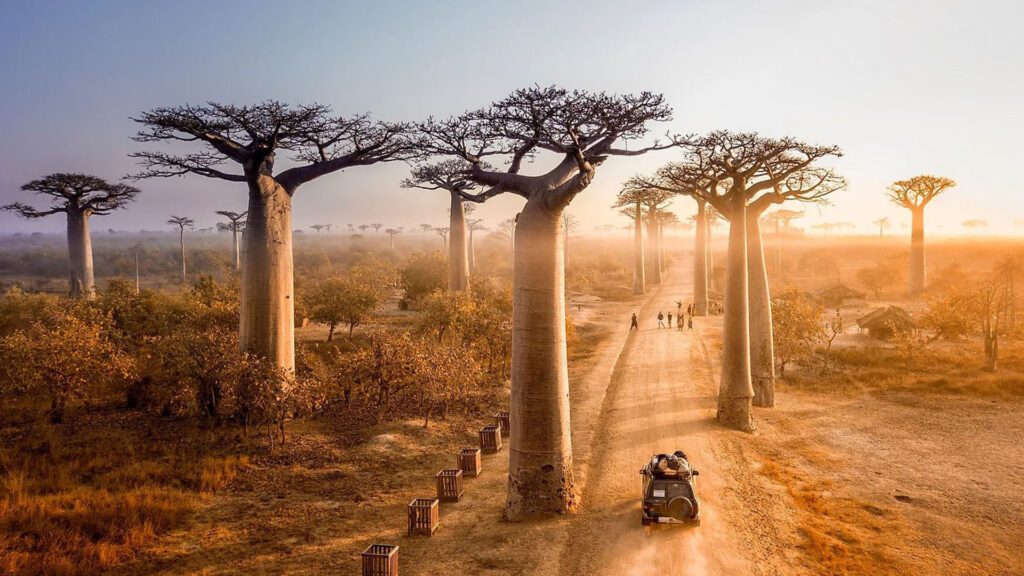
Today, transfer to the airport for flight TNR (Departure at 11:20 am) to the west coast of the island, destination to Morondava MOQ (Arrival at 12:25 pm). On your arrival, transfer directly up to the hotel for check-in and stay enjoy the lush vew on the beach until 4pm to start your visit at the famous baobab avenue. About ten trees 30 meters high border this avenue, of the species Adansonia grandidieri, endemic to Madagascar. Baobabs, over 800 years old, known locally as renala (in Malagasy for “mother of the forest”), are a heirloom of the dense tropical forests that thrived in Madagascar. The trees did not grow in isolation in this dry and bushy landscape but were part of a dense forest which has now disappeared (only 10% of primary forests remain in the country). Over the years, with the increase in the country’s population, forests have been cut down for agriculture, leaving only baobab trees, which locals preserve both out of respect and for their value as a source of food and materials of constructions. After the visit, drive back to the hotel.
ACCOMMODATION: PALISSANDRE
OPTION: BREAKFAST AND DINNER
DRIVE : 55MN FLIGHT
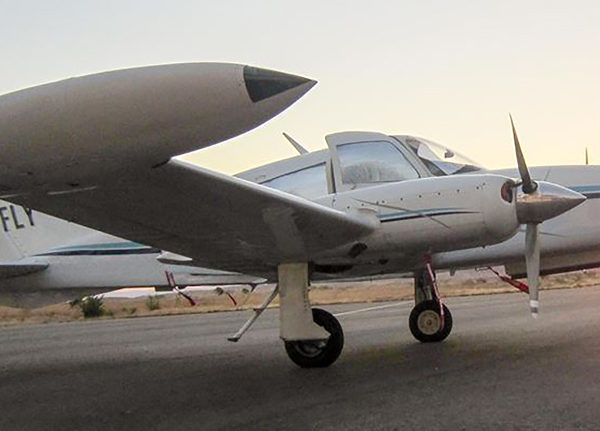
After breakfast, around 7:00 AM, drive directly to the North, about 42 km following the secondary road which a bit winding, to reach the famous Kirindy Park. After about 2h drive, beginning of the Guided day visits at Kirindy reserve. Kirindy Reserve is home to seven species of lemur. The most common are the common brown lemurs and the Verreaux’s sifakas. These long-legged, seven-pound lemurs, white with dark patches, leap among tree trunks high in the canopy, propelled by their powerful hind legs but continually maintaining an upright posture. 40 bird, 50 reptile and 15 amphibian species are also found in this magnificent forest. After the visit, back to the Morondava. Then, transfer to the airport for board directly your private charter to fly up to Isalo (The fligh will take 39 minutes). In arrival, drive to the hotel with one stop at the famous window of Isalo to appreciate a breathtaking and spectacular sunset.
ACCOMMODATION: ISALO ROCK LODGE
OPTION: BREAKFAST AND DINNER
DRIVE : 2H DRIVE IN BUMPY ROAD (Round trip) + 1H15M FLIGHT
After breakfast, we explore the stunning desert plains, deep canyons, sandstone formations, grasslands and palm-lined oases of Isalo National Park. We hope to encounter the 3 lemur species that are found here – Red-fronted Brown Lemurs, Ring-tailed Lemurs and the loping, bipedal Verreaux‟s Sifaka. We will also see vegetation such as Uapaca bojeri, Pachypodium rosulatum or „elephant‟s foot‟ and Aloe isaloensis, a native species of aloe endemic to Isalo. The eroded mountains also served as a place where the Bara people kept their dead before they could bury them in their actual tombs. This day includes strenuous .walks. “Picnic lunch in the park”.
ACCOMMODATION: ISALO ROCK LOGDE
OPTION: BREAKFAST AND DINNER
Today, you will have a very long drive, so it is better to leave early at Isalo (7:00AM). After breakfast, drive directly to Ranomafana. Today, we pass through the legendary „Porte du Sud‟ and cross the desolate expanse of the Plateau de Horombe with its deep red soil, then you can appreciate a landscape of rock formations typical of the dry Grand South, some of which are sacred. Further on we pass the volcanic peaks of the Andringitra massif, which serves as a transition between the green Highlands with its very spectacular granite rock formations and the dry south. We continue to Ihosy, capital of the Bara tribes, who are herders of Zebu cattle. We then continue to Anjar Community Reserve for a short walk, during which we have the chance to see Madagascar‟s iconic animal – ring-tailed lemurs (Lemurian Catta.) In the past, visitors fed the lemurs, so the majority of the animals are unafraid to come near us to pose for photographs. We visit a local winery and a workshop making the unique Antemoro paper, which is hand made from the bark of a local tree using a method is inherited from Arab culture. In arrival, chek-in at the hotel.
ACCOMMODATION: THERMAL
OPTION: BREAKFAST AND DINNER
DRIVE : 7H
This morning we search Ranomafana National Park„s rainforest for lemurs, accompanied by our local naturalist guide. This is a high-altitude rainforest reserve where the Golden Bamboo Lemur was discovered in 1986. The forest is home to 11 other lemur species, endemic chameleons, Leaf-tailed Geckos, Mantella Frogs and a myriad of birds. We embark on a quest to see the fabled “Hapalemur aureus” – the Golden Bamboo Lemur – which is only found in Ranomafana. We will also see many different species of birds, such as Ground Rollers. The park is particularly rich in flora and features many plant varieties unknown elsewhere, including different types of orchids and ferns. The approximately 40,000 ha of Parc National de Ranomafana, with its rain forest-covered hills and abundant wildlife, has long been considered one of Madagascar‟s highlights. Altitudes in the park range from 800 to 1,200 metres above sea level. In addition to its densely-forested hills, Ranomafana‟s terrain is characterised by numerous small streams which plummet down to the beautiful Namorona River. Although much of the region has been logged, the park retains relatively large areas of primary forest. This day includes strenuous walks in the rainforest. After 4 hours visit, we will get back to the hotel for lunch, and get rest a little bit before starting the Guided night walk in the area around our hotel to try and spot the Rufous Mouse Lemur, the Greater Dwarf Lemur and some of the other nocturnal wildlife. After the visit, back to the hotel.
ACCOMMODATION: THERMAL
OPTION: BREAKFAST AND DINNER
After breakfast, we heading to the north direction Antsirabe. The landscape is still dominated by very photogenic rice fields, pine forests, eucalyptus trees and rocky hills. At the Malagasy arts and crafts capital, Ambositra, we stroll through the city with visiting workshops of Zafimaniry artisans – skilled sculptors working on marquetry rosewood and ebony. Further on we pass the “le col de tapia”, a type of tree resistant to bush fires. Then, we continue to wind our way through the Highlands‟ scenic landscapes, where the houses are made with ornately-carved wooden balconies and shutters with bright colours. We visit a number of the town‟s famed craftspeople to watch them working on the precious and semi-precious stones that Antsirabe is famous for. Transfer at the Hotel.
ACCOMMODATION: ARO HOTEL
OPTION: BREAKFAST AND DINNERS
DRIVE : 6H
After breakfast, drive directly to Antananarivo. You will pass through the beautiful landscapes of the Merina people, witnessing along the way the everyday life of these people, who were (and really still are) the ruling class in Madagascar. Stop briefly at Ambatolampy and visit the manufacturers of pots and decorative items from aluminium. This is a really important local industry and the artisan forgers now make, as well as the pots and pans used every day by all Malagasy, beautiful polished trinkets made from aluminum. Lunch in Behenjy (Town of fois gras). Arrival to the capital in the afternoon.
ACCOMMODATION: NOVOTEL
OPTION: BREAKFAST AND DINNER
DRIVE : 4H
To wake up early in the mornig, transfer to the airport for flight TNR (Departure at 6:30 am) to the west coast of the island, destination to Antsiranana DIE (Arrival at 8: 30 am). In arrival, we visit the three bays. The three bays are connected by a sandy road and a path that runs along the coast. This trail allows explorers who do not wish to be guided to move easily on foot to discover the magnificent view offered by the landscape or even listen to the sound of waves and birds.
ACCOMMODATION: ALLAMANDA
OPTION: BREAKFAST AND DINNER
DRIVE : 1H45MN FLIGHT
After breakfast, heading to the north begening the visit to the National Park d‟Ankarana. The Ankarana Special Reserve is part of Madagascar’s network of protected areas. In addition to its fauna rich in endemic species of the island, this reserve is of geological interest, due to karstic erosion, as well as cultural with its sacred lake and a set of Antakarana tombs in the caves. This 18,220 ha animal reserve is located in a mountain range in the north of the island,
ACCOMMODATION: NATURE LOGDE
OPTION: BREAKFAST AND DINNER
DRIVE : 6H
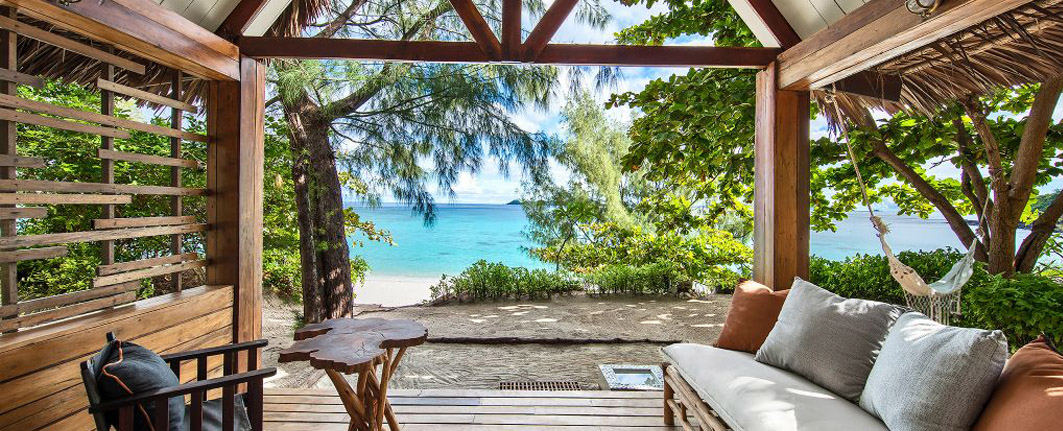
After breakfast, embarkation on a speed motor boat, direction to Nosy Be (the transfer takes around 45mn). Then, you could enjoy the luxury ecolodge nestled in the heart of the Mitiso archipelago, and whose luxury villas have ecological thatched roofs. Isolated 80 km from the northwest coast of Madagascar, the place promises a unique experience in a real private paradise still preserved, and unforgettable memories. Surrounded by a beautiful coral reef, the place is perfect for water activities, such as scuba diving and sea trips. On the road we will have the chance to see some Cacao and Vanilla fields.
ACCOMMODATION: CONSTANCE TSARABANJINA
OPTION: ALL EXCLUSIVE
DRIVE : 3H DRIVE + 45MN SPEED BOAT + ANOTHER 45MN SPEED BOAT
Relax time by enjoying the beach, you will be accommodate at All exclusive. Tsarabanjina is one of the islets of the Mitsio archipelago. Still considered sacred today, the inhabitants of the Mitsio Islands revere this place. They come with their offerings (money, honey, rum,…). Bordered by three white sand beaches with extraordinary bird colonies, lush vegetation and surrounded by a coral reef, the region enjoys constant sunshine throughout the year.The islets of the Four Brothers, opposite Tsarabanjina, are well known for the diving and nesting of many birds (gannets, straw tailed, frigates, etc.)
ACCOMMODATION: CONSTANCE TSARABANJINA
OPTION: ALL EXCLUSIVE
ACTIVITIES : OPTIONAL
This last day is dedicated to transfer you from the hotel to the airport (fascene) for your flight to Antananarivo, the flight will take about 1h35m. On arrival, you will be picked up by our driver, then drive to the craft market for shopping and purchase some souvenirs. Lately, transfer directly to the airport for your external flight.
| Trip Dates | Price (Double Occupancy) | Trip Status | |
|---|---|---|---|
| Oct 23, 2026 – Nov 06, 2026 | $$15,149.00/person | Available (8 seats) | Book Trip |