
June 8, 2021

Andasibe-Mantadia National Park is one of the most important rainforest experiences in Madagascar, especially for travelers who want to see the indri lemur with expert local guides. Because this region is relatively accessible from Antananarivo, it also works beautifully as the first wildlife chapter of a private luxury Madagascar itinerary.
HT Agency Tours designs Andasibe journeys with comfortable routing, handpicked lodges, private guiding, night walks, and realistic timing. As a result, the rainforest feels immersive, organized, and rewarding rather than rushed.
Start Planning on WhatsApp | Explore Andasibe Luxury Travel
Madagascar is home to some of the most extraordinary wildlife and ecosystems in the world, and Andasibe-Mantadia National Park stands out as one of its crown jewels. Located just a few hours east of Antananarivo, this lush rainforest sanctuary offers travelers the rare opportunity to witness incredible biodiversity up close — from the haunting calls of the Indri Indri lemur to the vibrant green canopy teeming with life.
Whether you’re a nature enthusiast, photographer, or traveler looking for an authentic eco-adventure, Andasibe-Mantadia National Park promises an unforgettable experience. This comprehensive guide covers everything you need to know, including how to get there, what to see, when to visit, and why this park is so essential for conservation and ecotourism in Madagascar.
Established in 1989, Andasibe-Mantadia National Park covers approximately 154 square kilometers of dense primary and secondary rainforest. It consists of two distinct areas:
Andasibe (Analamazaotra) Special Reserve – Known for its easy access and proximity to local lodges, this section is ideal for short hikes and observing lemurs up close.
Mantadia National Park – A wilder, less visited part of the park with primary forest, larger trees, and more challenging trails, ideal for adventurous travelers.
The park is part of the larger Ala Atsinanana rainforest ecosystem, which was designated a UNESCO World Heritage Site in 2007 for its exceptional biodiversity and endemism.
Reaching Andasibe-Mantadia National Park is relatively straightforward, making it one of the most accessible parks in Madagascar.
By Road from Antananarivo: The park lies about 140 km east of the capital. The drive takes approximately 3–4 hours along National Road RN2. The road is paved and scenic, passing through highlands and lush valleys.
By Private Tour or Transfer: Most travelers book a private transfer or guided tour, which offers flexibility and stops at local villages or attractions along the way.
By Taxi-Brousse: Budget travelers can opt for shared minibuses from Antananarivo to Moramanga, then a local taxi to Andasibe.
The nearest village is Andasibe (Perinet), where most lodges and tour operators are based.
The park can be visited year-round, but the dry season from May to October is considered the best time. During these months:
Trails are less muddy, making hiking easier.
Lemurs and other wildlife are easier to spot.
Rainfall is lower, though brief showers can occur at any time in rainforest environments.
The wet season (November to April) brings heavier rains but also lusher landscapes and more active reptiles and amphibians. Birdwatchers may also prefer this time for migratory species.
The Indri Indri, the largest living lemur species, is the park’s most famous resident. Known for its black-and-white fur and unique, haunting vocalizations that echo through the forest at dawn, the Indri is critically endangered and found only in this region. Unlike other lemurs, Indri do not survive in captivity, making a visit here the only way to see them.
Visitors can usually observe Indri families at close range during guided walks in the Andasibe Reserve.
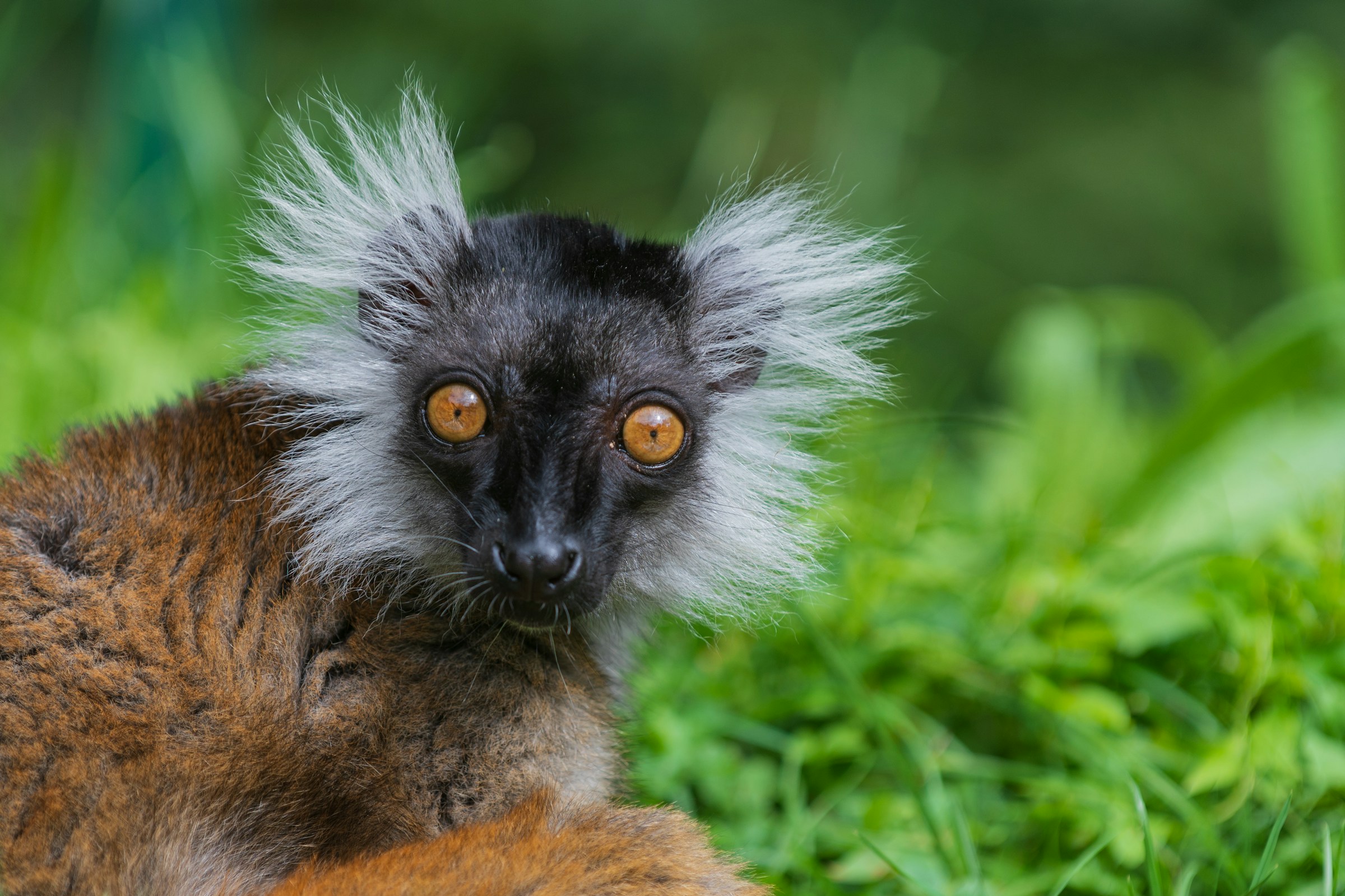
Beyond the Indri, Andasibe-Mantadia National Park hosts over 10 species of lemurs, including:
Diademed Sifaka (one of Madagascar’s most beautiful primates)
Common Brown Lemur
Bamboo Lemur
Woolly Lemur (nocturnal)
Mouse Lemur (tiny and active at night)
Night walks along the road near the park entrance offer great chances to spot nocturnal species.
The park is a paradise for birdwatchers, with more than 100 bird species, including several endemics like the Madagascar wagtail, blue coua, and nuthatch vanga.
Reptiles and amphibians are abundant, especially during the wet season. You may see:
Colorful chameleons like the Parson’s chameleon (the largest in the world)
Tree frogs with translucent skin
Leaf-tailed geckos camouflaged on tree trunks
Andasibe-Mantadia National Park is part of Madagascar’s eastern rainforest belt, characterized by:
Towering canopy trees over 30 meters high
Dense understory of ferns, mosses, and orchids
Lianas and epiphytes hanging from branches
Rivers, streams, and waterfalls nourishing the ecosystem
Botanists will appreciate the park’s orchid diversity, with more than 100 species, many of which bloom between September and January.
All visits inside the park must be accompanied by certified local guides. Guided walks typically last 2–4 hours, depending on the trail and area. Guides are skilled at spotting wildlife and explaining the ecosystem.
Specialized birding tours are available, particularly in Mantadia. Early morning walks are best for spotting endemic species.
While night walks are not permitted inside the park itself, they are allowed along the road near the entrance. These walks are excellent for finding mouse lemurs, chameleons, frogs, and insects.
Travelers can visit nearby Andasibe village to meet local communities, learn about traditional life, and support local crafts and conservation initiatives.
There’s a wide range of accommodation near the park, catering to different budgets:
Luxury lodges: Offer comfortable bungalows, restaurants, and guided excursions.
Mid-range hotels: Ideal for families or couples looking for comfort without luxury prices.
Budget guesthouses: Provide basic rooms and easy access to the park.
Most lodges are located within a few kilometers of the Andasibe Reserve entrance, making early morning visits easy.
Andasibe-Mantadia National Park is a critical conservation area. The surrounding communities depend on the forest for resources, which makes sustainable tourism and conservation essential.
Key initiatives include:
Community-managed forests: Villages around the park are involved in forest management and ecotourism.
Reforestation programs: Native trees are replanted to restore degraded areas.
Research and monitoring: Scientists track lemur populations, habitat changes, and threats.
Tourism provides an important source of revenue for both the park and local communities, encouraging the protection of this unique ecosystem.
Here are some practical tips to make the most of your trip:
Hire a local guide – They greatly enhance the experience and help you spot wildlife.
Start early – Morning is the best time to hear Indri calls and see lemurs active.
Wear good hiking shoes – Trails can be muddy, especially in Mantadia.
Bring rain gear – Even in the dry season, short showers are common.
Pack insect repellent – Mosquitoes and leeches are rare but possible.
Carry binoculars and a camera – For birding and wildlife photography.
Because of its location on the RN2, Andasibe-Mantadia National Park fits well into various Madagascar itineraries:
Pangalanes Canal – Explore this series of waterways east of the park.
Akanin’ny Nofy (Palmarium Reserve) – A private reserve known for tame lemurs, accessible by boat.
Antsirabe and the Highlands – If you’re heading south afterward.
Tamatave (Toamasina) – Madagascar’s main port city on the east coast.
A 3–4 day visit allows time to explore both Andasibe and Mantadia sections, plus nearby attractions.
Sustainable travel plays a crucial role in protecting Andasibe-Mantadia National Park. By choosing eco-friendly lodges, hiring local guides, and respecting park rules, visitors directly support conservation efforts.
Many lodges use solar power, composting toilets, and source food locally. Tourists are encouraged to minimize waste, avoid single-use plastics, and participate in reforestation projects.
Few places on Earth offer such a rich combination of wildlife encounters, lush rainforest scenery, and accessibility. In just a few hours from Madagascar’s capital, you can find yourself immersed in a world where Indri songs echo through ancient trees and colorful chameleons rest on moss-covered branches.
Visiting Andasibe-Mantadia National Park is more than a trip — it’s a chance to support one of the planet’s most unique ecosystems and witness biodiversity that exists nowhere else.
Yes. The park is considered one of the safest in Madagascar. Guided visits and reputable lodges ensure a comfortable experience.
Two to three days is ideal to explore both Andasibe and Mantadia sections and enjoy day and night walks.
No. All visits inside the park require an official local guide, which enriches the experience.
The Indri lemur is almost guaranteed, along with other lemur species, birds, reptiles, and amphibians depending on the season.
Andasibe stands as one of Madagascar’s most remarkable natural treasures. Its unparalleled biodiversity, accessibility, and conservation importance make it a must-visit destination for eco-travelers, wildlife lovers, and adventure seekers alike.
From the morning calls of the Indri to the sight of orchids blooming in the mist, every moment spent here is a reminder of the planet’s incredible natural heritage. By visiting responsibly, travelers help ensure that future generations can experience this extraordinary rainforest just as it is today.
HT AGENCY TOURS
Luxury Madagascar with the best luxury African safari tours packages. Discover your next perfect destination with HT Agency Tours
Andasibe-Mantadia National Park Luxury Travel Guide is strongest when it is connected to a clear private travel plan. Share your dates, travel style, comfort expectations, and must-see experiences, and HT Agency Tours can help shape the right route with premium guiding, refined logistics, and a pace that feels natural.
For next steps, compare private Madagascar luxury tours, use the Madagascar luxury tour packages, or browse Madagascar group departures. A short conversation can quickly clarify the best itinerary, available options, and the most suitable travel style for your journey.
This planning guide is ideal for couples, families, private groups, and discerning travelers who want authenticity without losing comfort. It is also useful for travelers comparing private travel, small-group departures, luxury safari routes, beach extensions, and seamless multi-country journeys.
If this travel idea feels close to what you want, the most useful next step is to request a personal recommendation. HT Agency Tours can review your preferred month, number of travelers, room style, budget level, and travel priorities, then suggest a route that feels polished, realistic, and genuinely worth the journey.
Start planning on WhatsApp or request a tailor-made proposal.
For travelers comparing small-group options, the strongest next step is to review our Madagascar group departures and then compare them with private Madagascar luxury tour packages if you prefer a more tailored rhythm.
To compare premium routes across Africa and the Indian Ocean, explore all luxury tours and expeditions or request a more personal recommendation through the private journey designer.