

October 28, 2026
National Park & Reserve
Plan the visit around habitat, access, walking conditions and realistic time on the ground.
Written by HT Agency Tours’ Madagascar-based travel teamLast reviewed October 2, 202611 min read
Considering a refined shared journey?
Explore Madagascar Group Tours→Planning brief
At a glance
- Article type
- National Park & Reserve
- Planning focus
- Park access and pace
- Best for
- Travelers comparing protected areas and field experiences
- Reading time
- 11 minutes
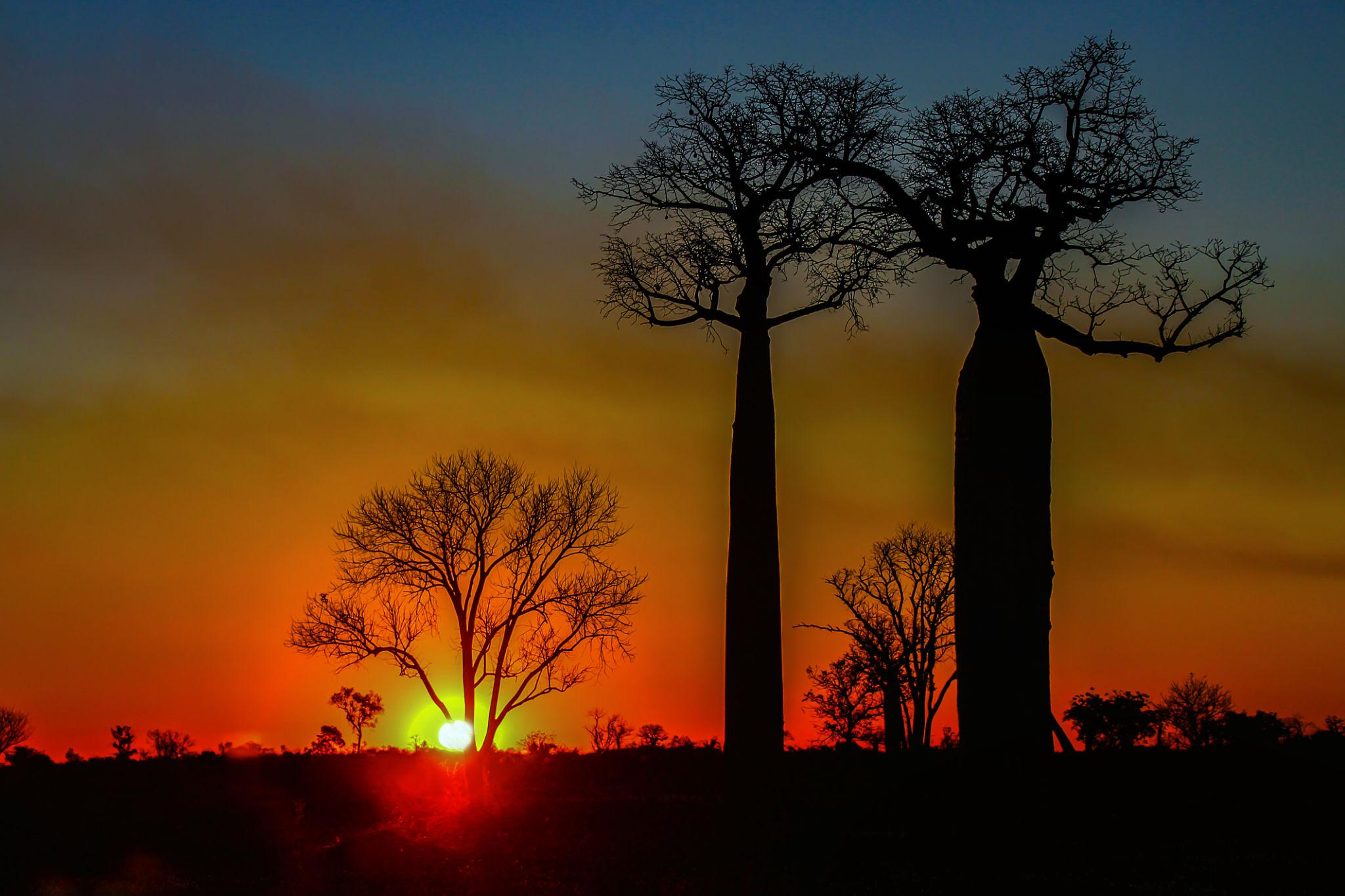
Start with HT Agency Tours' six-day Tsingy itinerary, then request the current program for your intended dates. This guide explains what to examine: actual activity time, circuit selection, access arrangements, accommodation and the connections around the tour. It is a planning guide, not a replacement for a confirmed day-by-day proposal or current departure availability.
Decide what you want from a short Madagascar journey
A short trip works best when its purpose is clear. If Tsingy's limestone landscapes are the reason you want to visit, place that experience first and assess everything else around it. If you mainly want a broad introduction to rainforest wildlife, southern scenery and an island stay, a focused western tour may solve a different travel need.
Ask yourself what would make the six days feel worthwhile. You might value a substantial guided outing, time to appreciate the landscape or a well-organized introduction to a place that would otherwise require more planning. Identify two priorities rather than beginning with a long list of additional destinations.
This also helps distinguish a short holiday from a short component within a longer holiday. If the tour is your entire Madagascar visit, its beginning and end need to fit your international journey. If it is one section of a wider trip, the connecting arrangements deserve their own attention.
Understand what makes Tsingy distinctive
Madagascar National Parks describes Tsingy de Bemaraha through its limestone formations, canyons, dry forest and varied habitats. These features explain why the destination should be assessed as a landscape and activity experience, rather than simply another stop for a photograph.
Think about how you want to engage with that setting. A traveler attracted by panoramic views may have different preferences from one seeking an active circuit. Someone interested in natural history may value interpretation and time to observe the surroundings. State those interests when discussing the proposed tour.
A destination's most recognizable image cannot describe every visitor experience there. Ask which areas and activities the itinerary actually includes, and how much time they receive. That will tell you whether the offered journey matches the reason you want to visit.
Plan a 6 day Madagascar group tour as a sequence of services
Do not assume that six tour days mean six full days inside the park. A short itinerary also needs to account for reaching the region, moving between overnight stops and completing the return arrangement. Read the daily sequence and identify which days primarily involve travel and which provide dedicated exploration.
For every overnight stop, note the expected arrival, next morning's activity and departure sequence. Ask how much usable time you have at the accommodation and whether you return there after an outing. The same number of nights can produce a very different rhythm depending on those details.
Request clarification if the published description is not detailed enough to make this assessment. A current written program is more useful than filling the gaps with assumptions. You should understand the experience you are considering before comparing it with a longer tour or another regional route.
Choose a park circuit by its features
The word Tsingy does not identify one standard walk suitable for every visitor. The park authority lists circuits with different difficulty levels. Its Andamozavaky description includes limestone passages, a suspension bridge and canyon sections; other named circuits have different characteristics. Use that information to ask specific questions, then confirm what is planned for your departure.
Describe the walking you normally enjoy and mention any concern about heights, narrow passages or uneven surfaces. Ask about the intended duration and what makes the selected route demanding. Distance alone is not a sufficient description of an activity involving varied terrain.
If the standard circuit does not sound suitable, ask whether another arrangement exists and how it connects with the group's program. Do not assume that a shorter alternative, separate guide or different transfer can be provided without planning. The aim is to choose a tour you can enjoy, not to discover a mismatch at the start of the outing.
Ask how the group day is organized
A shared excursion needs a workable rhythm for guests with different interests. Some may pause frequently for photographs; others may focus on the guide's explanation or the walk itself. Ask how the outing is managed when the departure reaches its advertised guest limit.
Clarify the guiding arrangement for the park visit and how the day's timing is communicated. Find out what happens before departure from the accommodation and what the intended plan is afterward. This gives you a more complete picture than a simple statement that a visit is included.
If your party includes people who want different levels of activity, raise that early. Explain which experiences you want to share and where preferences differ. The planning team can then assess whether the group itinerary fits or whether a different format would serve your party better.
Confirm access for the dates you want
Ask how the proposed departure reaches the region and how current operating conditions affect its route. An itinerary offered on a previous date does not establish identical access arrangements for your intended trip. The team should confirm the appropriate sequence for the specific program being quoted.
Read the full year on any advertised departure. The six-day product page has described a dated offer, so do not assume that the same day recurs annually or that an older price remains applicable. Request current operation status, accommodation and transport availability together.
If your travel window is flexible, provide an alternative. If it is fixed, say so before becoming attached to a departure that may not fit. A focused discussion about the actual route and dates is more useful than relying on a broad statement about the best season for Madagascar as a whole.
Assess transport through the whole day
Identify each transport sector in the proposal and establish what is included. Where road travel is involved, ask how the day's journey is organized and whether visits are planned en route. Where flights appear in a proposed arrangement, clarify the service and the transfers needed at either end.
Avoid judging travel days by distance or flight duration alone. Departure preparations, arrival arrangements and the onward journey all affect usable time. What matters is when you reach the experience or accommodation you are traveling for and how the sequence fits the rest of the tour.
If you carry substantial camera equipment or have particular luggage needs, mention them before booking. Ask for the requirements that apply to the actual transport in your proposal. Do not assume an international airline allowance describes every part of an internal journey.
Make the overnight stays support the activities
Request the proposed accommodation, room category and meal basis. Consider the stays in relation to the planned excursions: the time needed to join an activity, the expected return and the opportunity to relax afterward. A room photograph alone cannot answer those practical questions.
State whether your party needs a single, double or twin arrangement, including the number of each room type. If a particular feature matters to your decision, ask for it to be checked at the intended properties. Guest places and the required rooms are separate parts of an availability inquiry.
Also establish how substitutions are handled if a proposed property cannot be confirmed. The important comparison is whether the alternative still supports the activities and comfort you need. Keeping those priorities explicit makes the accommodation discussion more useful.
Prepare for the confirmed outing, not an imagined one
Request an equipment and clothing list for the circuit actually planned. Footwear, the day bag and any equipment supplied for the activity should be discussed in that context. Tell the team if you intend to bring a bulky camera setup or anything that could affect how you move during the outing.
Use the briefing provided for your departure to understand what you carry and what arrangements are made during the day. Ask about practical matters such as meal timing and opportunities to leave items at the accommodation. These details help you prepare without turning a generic packing list into an assumption about local services.
Follow the guide's instructions during the visit, including where to pause and how to manage equipment. Allow time and space for other guests at viewpoints or narrow sections. Good group behavior helps everyone enjoy the setting without making your own interests the only measure of the day's success.
Balance photography with the shared itinerary
If photography is the main motivation for your trip, explain the kind of time you want. A general-interest group can offer photographic opportunities while following a shared schedule. It may not provide repeated visits or extended waits at one location in the way a specialist arrangement might.
Ask when the principal landscape visits occur and how much time is planned, while recognizing that conditions on the day cannot be guaranteed. Discuss whether an additional night or private extension would better serve a particular interest rather than assuming the whole group can change its program.
Be realistic about equipment as well as expectations. Decide what you can carry comfortably during the confirmed activity and ask about relevant restrictions or practical considerations. The best plan is the one that lets you participate fully, rather than spending the outing managing more equipment than the route comfortably allows.
Connect the six-day tour to a longer holiday
If rainforest wildlife or coastal time is also important, ask for a coordinated extension. Identify where the six-day program ends and where the additional arrangement begins. Transport, accommodation and guiding for the extension should be clear rather than implied by a broad promise to add more places.
Compare the total usable time with the additional travel required. A short extension can be worthwhile, but it should not consume nearly all its days in connections. If it makes the overall holiday rushed, discuss a different main itinerary or a longer travel window.
Keep the extension separate in the proposal until you decide to include it. That allows you to compare the focused Tsingy journey on its own and understand exactly what changes when other experiences are added. The final confirmed plan should then show how the two parts connect.
Compare the complete 6 day Madagascar group tour price
Request the current quote for your departure and room arrangement. Check accommodation, meals, transport, guiding, planned visits and entrance fees against the itinerary. Optional activities, supplements and services outside the normal joining plan should be identified clearly.
Confirm where and when you must join the group. A six-day itinerary does not automatically require only six days away from home once international travel and any additional nights are included. Share your proposed arrival and return flights so the complete sequence can be assessed.
At the end of the tour, identify the final overnight stop and any connection before your onward journey. Use the written joining and departure arrangements for the actual booking rather than borrowing timings from another traveler's trip or a different itinerary.
Questions about a six-day Tsingy group tour
Is six days enough for all of Madagascar? Treat this duration as a focused journey. If your priorities span several regions, compare a longer route or a coordinated extension rather than expecting one short program to deliver every experience on your list.
Does every Tsingy tour use the same circuit? No single activity should be assumed from the destination name. Ask for the planned circuit and its practical requirements, then assess whether it suits your preferences and the rest of your party.
Can I join as a solo traveler? Inquire for your intended date and preferred room basis. Ask about the departure's operation status and available rooms together. Do not assume that joining alone requires sharing accommodation.
Can I request an easier activity? Ask before booking whether a suitable alternative exists, how it is guided and whether it changes the cost or transport arrangement. Its feasibility needs to be confirmed for the specific departure.
Are the published date and price current for my trip? Request a current proposal for your year, date and room requirements. A historical offer is useful as a product reference but is not a confirmed future reservation or quote.
Request a focused Tsingy proposal
Ask HT Agency Tours about the six-day Tsingy journey with your preferred travel window, party size and room arrangement. Include your walking preferences, any concern about particular terrain and whether the tour would be your whole Madagascar holiday or one part of a longer stay.
Read the six-day itinerary page as a starting point and request the current day-by-day program, circuit details and departure status. If the focused route fits your priorities, those answers provide a practical foundation for choosing the journey and proceeding with the booking terms supplied for your departure.