

June 10, 2026
Luxury & Private Travel
Define luxury through pacing, privacy, local expertise and thoughtful operational detail.
Written by HT Agency Tours’ Madagascar-based travel teamLast reviewed October 3, 20266 min read
Considering a refined shared journey?
Explore Madagascar Group Tours→Planning brief
At a glance
- Article type
- Luxury & Private Travel
- Planning focus
- Comfort and access
- Best for
- Travelers designing a private, high-touch journey
- Reading time
- 6 minutes
How a Small-Group Madagascar Safari Differs from a Classic Africa Safari
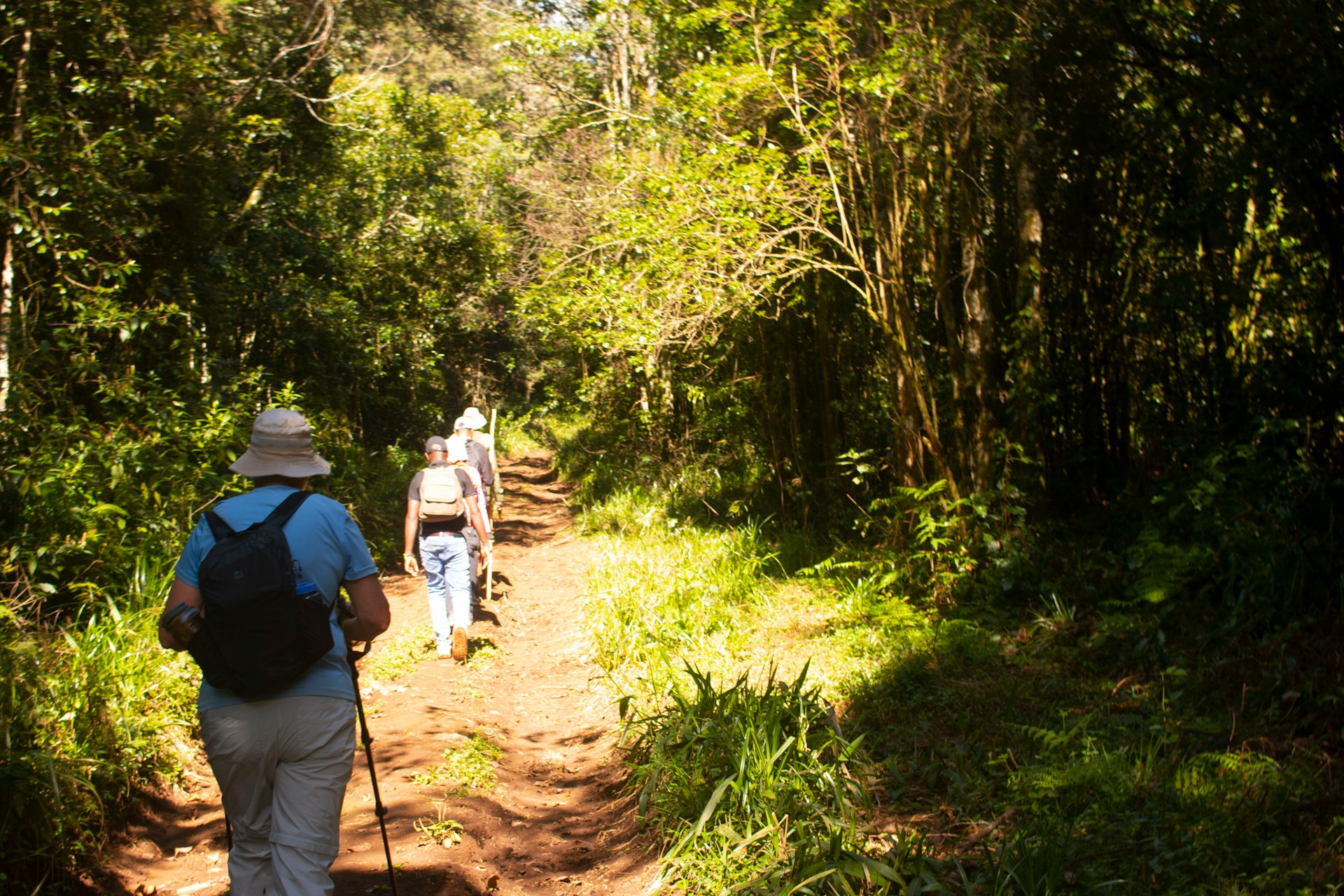
Madagascar does not work like a Big Five safari where guests move between open-vehicle game drives. The best experiences often involve rainforest walks, night walks, and dry forest trails. Baobab sunsets, village visits, coastal transfers, and specialist local guides add further depth. Lemurs, chameleons, fossas, endemic birds, orchids, baobabs, and unusual landscapes are the draw.
That is why group size matters. A smaller group makes it easier to manage walking pace, photography, guide interpretation, luggage movement, park entries, and transfer rhythm. It also keeps the experience more personal than a large coach-style group tour.
Best Routes for a Madagascar Small-Group Safari
A strong first-time route often combines Andasibe-Mantadia with western or southern dry forest. This pairing brings together rainforest wildlife, baobabs, and distinctive species. Selected highland or coastal stops can break up the journey. Travelers with more time can add Tsingy de Bemaraha, Kirindy, Sainte Marie whale watching, or a beach extension.
The best route depends on the season and the comfort level expected by the group. A 10- to 12-day route should stay focused. A 15- to 18-day itinerary can include more wildlife depth, better recovery time, and fewer rushed transitions. For this reason, the main Madagascar Group Tours 2026-2027 page compares departure style, dates, group size, and prices. It presents each safari as a distinct journey.
Best Season for Small-Group Safaris
May to October is usually the strongest season for a small-group Madagascar safari. Roads are generally easier to manage, and wildlife walks become more practical. Temperatures feel more comfortable too. Travelers can also combine baobabs, rainforest parks, dry forest, and Tsingy routes more easily.
July to September can be excellent when whale watching is part of the route. September and October are often strong for broad wildlife interest, photography, and route conditions. January to March is usually more difficult for classic group safari travel because rain can affect access and comfort.
Trip Length for U.S., UK, and Australian Travelers
U.S. travelers should usually allow at least 10 to 14 days in Madagascar, excluding international travel time. A richer safari often works better with 15 to 18 days. The extra time gives the route more space and reduces pressure after long-haul flights.
UK travelers can make a focused group safari work in 10 to 14 days when annual leave is limited. However, they should avoid routes that look impressive on paper but feel too compressed on the ground. September and October can be particularly attractive for wildlife-focused UK guests.
Australian travelers often benefit from 12 to 18 days because the distance is significant. A longer stay supports a more comfortable travel rhythm. It also leaves enough time for rainforest, baobabs, wildlife, coastal scenery, and optional beach recovery.
Small-Group Safari Costs and What to Compare
Small-group Madagascar safari prices vary by route length, accommodation level, guide quality, and transport. Included meals, park fees, domestic logistics, and luxury upgrades also affect the final price. A lower headline price can become weaker value if it leaves out important logistics or rushes the route too heavily.
When comparing prices, first check arrival support, airport transfers, park access, local guides, and vehicle quality. Then review accommodation, domestic flight assumptions, single supplement terms, luggage handling, and support when plans change. For many travelers, a good local operator provides value through small details. Those details prevent the trip from becoming stressful.
Luxury Small-Group Safari Options
Luxury Madagascar Group Tours can work well when the departure stays limited in size and protects comfort, pacing, guide access, and lodge selection. In Madagascar, luxury is not only about hotels. Route realism and fewer exhausting days matter just as much. Stronger local interpretation also provides smoother support when logistics become complicated.
Travelers who want even more control can compare Madagascar luxury tour packages and request a private version of a group route. This can be useful for families, honeymooners, photographers, senior travelers, or guests who need custom dates.
Who Should Choose a Small-Group Madagascar Safari?
This format suits solo travelers, couples, friends, photographers, and wildlife enthusiasts. It also serves comfort-focused guests who want a planned route with shared logistics. It can also suit travelers who want the social feel of a group but do not want mass-market travel.
A private tour is better when dates, pace, accommodation, special wildlife interests, or family needs require full control. The right choice is not group versus private in the abstract; it is about the type of support that fits your travel style.
Why a Local Madagascar Operator Matters
HT Agency Tours is useful because Madagascar safari planning depends on local reality. A local operator can judge road timing, park access, lodge fit, and guide quality with precision. Local knowledge also improves domestic logistics and seasonal route decisions.
Local support also matters when conditions change. Weather, roads, ferry timing, domestic flights, and park access can affect the journey. A Madagascar-based team can respond with practical decisions and protect the guest experience more effectively.
Where to Start
Start with the main Madagascar Group Tours hub. There you can compare 2026-2027 departures, prices, dates, group size, route style, and luxury options. If your main interest is wildlife, also review the broader Madagascar wildlife tours and safari packages guide before choosing between a fixed departure and a private route.
Frequently Asked Questions
What is a small-group Madagascar safari?
It is a limited-size guided safari departure focused on Madagascar wildlife, baobabs, rainforest parks, local culture, and smoother shared logistics with expert local support.
How much does a small-group Madagascar safari cost?
Costs depend on duration, route, accommodation level, guide quality, transport, park fees, and domestic logistics. Current departure examples and price signals are listed on the main Madagascar Group Tours 2026-2027 page.
When is the best season?
May to October is usually best, with July to September also attractive for whale watching and September to October strong for wildlife and route conditions.
Can U.S., UK, and Australian travelers join?
Yes. Small-group departures can work well for U.S., UK, and Australian travelers. Careful planning should cover arrival support, trip length, route pacing, and season.
Can the safari be upgraded privately?
Yes. HT Agency Tours can adapt many small-group routes into private Madagascar journeys. Options include custom dates, upgraded accommodation, beach extensions, and air-assisted logistics.
Continue planning: What to Expect on a Luxury Madagascar Safari and Luxury Madagascar Honeymoon USA Planning Guide.