
June 8, 2021

Lokobe National Park luxury tour
Lokobe National Park Luxury Travel Guide is designed for discerning travelers who want Madagascar to feel seamless, personal, and deeply rewarding. At HT Agency Tours, we turn Nosy Be rainforest wildlife, lemurs, private guiding, and beach-and-nature extensions into carefully planned journeys for guests from the USA, UK, Canada, Australia, Europe, and other premium travel markets.
Madagascar is extraordinary, but it rewards travelers who plan properly. Because distances, seasons, roads, flights, guides, and accommodations can all shape the experience, this page helps you understand how Lokobe National Park luxury tour can fit into a refined private journey or a well-supported small-group safari.
Rather than treating this destination as a simple stop on a map, we design the route around comfort, timing, local expertise, and meaningful experiences. As a result, your Madagascar journey can feel both adventurous and carefully supported from arrival to departure.
Lokobe National Park Luxury Travel Guide can add depth, contrast, and a stronger sense of place to a Madagascar itinerary. For luxury travelers, the value is not only seeing the destination. Instead, the value comes from seeing it with the right guide, at the right pace, and as part of a route that makes logistical sense.
For park and wildlife pages, the goal is immersion. Private guiding, realistic timing, and thoughtful routing help the experience feel richer than a quick visit.
Our planning process begins with your travel goals. Then, we recommend the right season, route, accommodation style, guide structure, and pace. Moreover, we explain trade-offs clearly so you understand when to include a destination, when to simplify, and when a private upgrade or flying safari makes sense.
Because HT Agency Tours is locally based in Madagascar, we can combine premium service with practical local knowledge. This matters for high-value travelers who want a beautiful itinerary, but also want real support behind the scenes.
Use these related pages to compare routes, travel styles, and next steps:
Yes. HT Agency Tours can include this experience in a private itinerary when the season, route, and travel pace make sense.
Yes, when it is planned with the right logistics, guiding, accommodation expectations, and travel rhythm. Luxury in Madagascar is created through expert design as much as through hotels.
Yes. Depending on your available time, it can connect with rainforests, baobabs, Tsingy, Isalo, Nosy Be, private islands, or a broader Madagascar luxury safari.
Share your preferred dates, number of travelers, comfort expectations, and must-see experiences. Then, our team will recommend the most suitable route.
Madagascar is one of the most biodiverse destinations on Earth, and Lokobe National Park stands out as a must-visit jewel for travelers seeking authentic, untouched nature. Nestled on the southeastern tip of Nosy Be Island, this lush tropical forest is a living sanctuary for rare lemurs, colorful chameleons, ancient trees, and pristine mangroves.
For international travelers looking for an extraordinary eco-adventure, Lokobe National Park offers a perfect blend of biodiversity, culture, and sustainable tourism. This in-depth guide will give you everything you need to know to plan the perfect visit — from getting there and wildlife encounters to local tips and eco-friendly travel practices.
Lokobe National Park is not just another nature reserve; it’s one of the last remaining primary forests on Nosy Be, making it a critical refuge for Madagascar’s unique wildlife. Visitors often describe their experience here as “stepping back in time” — wandering through ancient forests where time seems to stand still.
Unlike many crowded parks around the world, Lokobe maintains an intimate, authentic feel. Strict conservation measures limit the number of daily visitors, ensuring a serene and meaningful encounter with nature.
Key highlights include:
Close-up encounters with endangered black lemurs
Guided canoe rides through mangrove forests
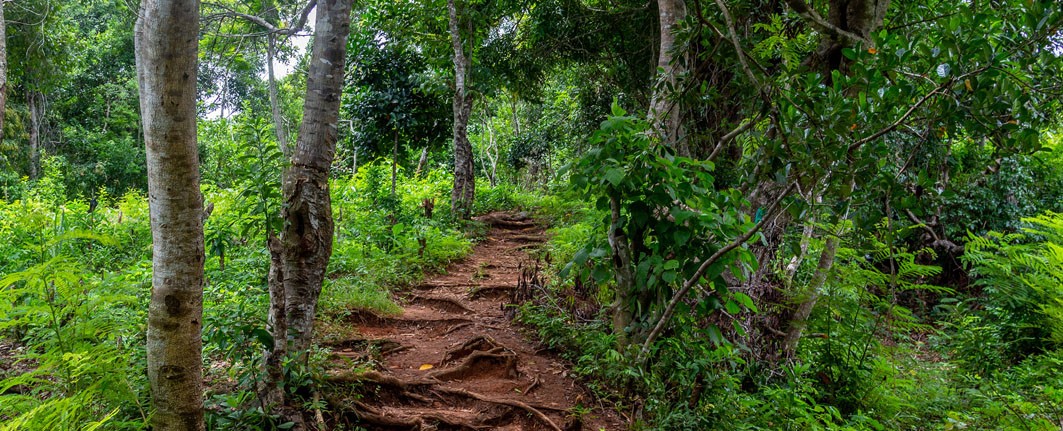
Peaceful forest hikes under towering canopy trees
Interaction with knowledgeable local guides and communities
Lokobe National Park is located on the southeastern corner of Nosy Be, a famous island off the northwest coast of Madagascar. The park covers approximately 740 hectares (7.4 km²) of dense evergreen rainforest, mangroves, and coastal ecosystems.
Most visitors base themselves in Hell-Ville, the main town of Nosy Be. From there, you can reach Lokobe by car to the village of Ambatozavavy and then continue by traditional pirogue (dug-out canoe). This scenic canoe journey through mangroves is often cited as a highlight of the trip.
If you are traveling from the mainland, you can fly into Fascene International Airport on Nosy Be from Antananarivo, the capital. Regular domestic flights make this journey convenient for international visitors arriving in Madagascar.
The biggest attraction of Lokobe National Park is its astonishing biodiversity. Despite its relatively small size, it hosts an incredible variety of endemic species — meaning they are found nowhere else in the world.
The park is best known for its black lemurs (Eulemur macaco). These charismatic primates are easily spotted in the forest canopy, often curious about visitors. Males are black while females are a striking reddish-brown.
Other lemur species you might encounter include:
Mouse lemurs (active at night)
Sportive lemurs
Occasionally the elusive nocturnal lemur species on guided night walks
The forest is a paradise for herpetology lovers. You’ll find beautifully colored panther chameleons, tiny leaf-tailed geckos, and a variety of frogs. These creatures blend seamlessly into the environment — your guide’s sharp eye will help you spot them.
Bird enthusiasts will be thrilled with the park’s avifauna. Keep an eye out for:
Madagascar kingfishers
Vasa parrots
Cuckoo-rollers
Sunbirds and vangas endemic to the region
With minimal noise pollution, bird calls echo through the forest, creating an unforgettable atmosphere.
Choosing the right time to visit Lokobe National Park will enhance your experience. The park is open year-round, but some seasons are better for wildlife viewing and comfort.
This is the best time to visit. Trails are drier and easier to walk, and wildlife is more active during the day. It’s also ideal for combining your visit with other attractions in Nosy Be, like snorkeling and beach relaxation.
While the wet season brings lush greenery and fewer tourists, expect more rain and muddy trails. However, for photographers and nature lovers, this is the season when the forest is at its most vibrant.
Visiting Lokobe National Park is more than just a walk through the woods. It’s a full-sensory experience combining adventure, culture, and conservation.
Exploring the forest on foot with a certified local guide is the best way to discover its secrets. Hikes range from gentle 1-hour walks to more intensive treks. Your guide will help spot hidden animals, explain medicinal plants, and share fascinating legends.
Before entering the forest, visitors often paddle through mangrove channels in traditional canoes. This tranquil journey lets you witness coastal ecosystems up close — a great chance for birdwatching and photography.
For adventurous travelers, guided night walks reveal a completely different side of Lokobe National Park. Under the beam of a flashlight, you might encounter tiny mouse lemurs, sleeping chameleons, and unusual insects.
Many visits start or end in Ambatozavavy, a traditional fishing village. Here, travelers can observe local life, meet artisans, and enjoy fresh seafood. Supporting these communities helps ensure sustainable tourism.
Reaching Lokobe National Park is part of the adventure.
Taxi or Private Car to Ambatozavavy – about 45 minutes from Hell-Ville.
Pirogue Ride Through Mangroves – approximately 30–40 minutes.
Arrival at the Park Entrance – where your guided trek begins.
Many tour operators offer organized day trips that include transport, park fees, guides, and meals. For a more immersive experience, some travelers choose overnight stays in nearby eco-lodges.
Comfortable walking shoes (trails can be slippery)
Lightweight long sleeves and pants (protection from insects)
Refillable water bottle
Sunscreen and insect repellent
Binoculars and camera with zoom lens
Consult your doctor about recommended vaccinations before visiting Madagascar.
Use eco-friendly insect repellent to protect both yourself and the environment.
Travel with a reputable tour operator to ensure safety and proper guidance.
While there are no hotels inside Lokobe National Park itself, Nosy Be offers a range of accommodations to suit different budgets.
Eco-lodges near Ambatozavavy provide an immersive experience, with nature at your doorstep. These lodges use sustainable practices like solar energy and locally sourced materials.
For travelers seeking comfort, Nosy Be has beautiful beachfront resorts with pools, spas, and international cuisine — ideal for combining adventure and relaxation.
Independent travelers will find friendly guesthouses and small hotels that offer authentic Malagasy hospitality at lower prices.
Visiting Lokobe National Park is also a contribution to Madagascar’s conservation efforts. Entrance fees and guided tours help support the local community and fund park protection measures.
By following responsible travel guidelines — such as staying on marked trails, not feeding animals, and avoiding single-use plastics — visitors play a vital role in preserving this fragile ecosystem.
Local associations work closely with park authorities to ensure that tourism benefits residents. Many guides are from nearby villages, and community-run initiatives promote education and conservation awareness.
Yes! Many trails are easy and suitable for children. The canoe ride is a fun activity for all ages.
Yes, a licensed local guide is mandatory. They provide essential safety, help spot wildlife, and share cultural knowledge.
A half-day or full-day tour is enough to explore the highlights, but nature lovers may wish to stay longer to enjoy night walks and slower exploration.
No. Visitor numbers are limited, giving you a peaceful and authentic experience.
For international travelers planning a longer trip, it fits perfectly into a wider Madagascar itinerary.
Nosy Komba & Nosy Tanikely – islands perfect for snorkeling and diving
Montagne d’Ambre National Park – for waterfalls and highland rainforest
Ankarana Reserve – famous for its limestone tsingy formations
Antananarivo – the cultural capital with historical sites and lively markets
This combination offers a balanced mix of wildlife, culture, and leisure.
A visit to Lokobe National Park is not just a sightseeing activity; it’s a journey into one of the planet’s last untouched rainforests. For international travelers, it provides a rare opportunity to see endemic wildlife in their natural habitat, connect with Malagasy culture, and support meaningful conservation.
Whether you’re a wildlife photographer, a family on vacation, or a nature enthusiast, it promises an unforgettable experience that will stay with you long after you leave Madagascar’s shores.
For travelers comparing small-group options, the strongest next step is to review our Madagascar group departures and then compare them with private Madagascar luxury tour packages if you prefer a more tailored rhythm.
If you want the journey to feel smoother and more time-efficient, explore our luxury flying safari options and our private flight services for Madagascar and wider Africa.