
August 12, 2021

Tsingy de Bemaraha luxury tour
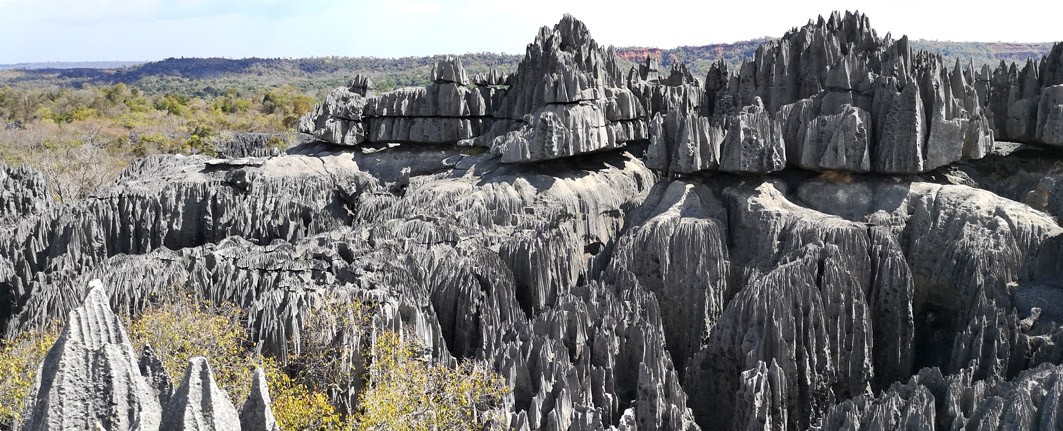
Tsingy de Bemaraha Luxury Travel Guide is designed for discerning travelers who want Madagascar to feel seamless, personal, and deeply rewarding. At HT Agency Tours, we turn limestone pinnacles, western Madagascar adventure, expert logistics, baobabs, and private guiding into carefully planned journeys for guests from the USA, UK, Canada, Australia, Europe, and other premium travel markets.
Madagascar is extraordinary, but it rewards travelers who plan properly. Because distances, seasons, roads, flights, guides, and accommodations can all shape the experience, this page helps you understand how Tsingy de Bemaraha luxury tour can fit into a refined private journey or a well-supported small-group safari.
Rather than treating this destination as a simple stop on a map, we design the route around comfort, timing, local expertise, and meaningful experiences. As a result, your Madagascar journey can feel both adventurous and carefully supported from arrival to departure.
Tsingy de Bemaraha Luxury Travel Guide can add depth, contrast, and a stronger sense of place to a Madagascar itinerary. For luxury travelers, the value is not only seeing the destination. Instead, the value comes from seeing it with the right guide, at the right pace, and as part of a route that makes logistical sense.
For park and wildlife pages, the goal is immersion. Private guiding, realistic timing, and thoughtful routing help the experience feel richer than a quick visit.
Our planning process begins with your travel goals. Then, we recommend the right season, route, accommodation style, guide structure, and pace. Moreover, we explain trade-offs clearly so you understand when to include a destination, when to simplify, and when a private upgrade or flying safari makes sense.
Because HT Agency Tours is locally based in Madagascar, we can combine premium service with practical local knowledge. This matters for high-value travelers who want a beautiful itinerary, but also want real support behind the scenes.
Use these related pages to compare routes, travel styles, and next steps:
Yes. HT Agency Tours can include this experience in a private itinerary when the season, route, and travel pace make sense.
Yes, when it is planned with the right logistics, guiding, accommodation expectations, and travel rhythm. Luxury in Madagascar is created through expert design as much as through hotels.
Yes. Depending on your available time, it can connect with rainforests, baobabs, Tsingy, Isalo, Nosy Be, private islands, or a broader Madagascar luxury safari.
Share your preferred dates, number of travelers, comfort expectations, and must-see experiences. Then, our team will recommend the most suitable route.
Madagascar is a land of breathtaking landscapes, unique wildlife, and rich biodiversity. Among its most remarkable natural wonders is Tsingy de Bemaraha, a UNESCO World Heritage Site that captivates every visitor. With jagged limestone formations, deep canyons, and rare wildlife, it is unlike anywhere else on Earth. This guide will take you through everything you need to know about Tsingy de Bemaraha, from its geology and wildlife to travel tips and adventure activities.
Tsingy de Bemaraha is a vast limestone karst landscape in western Madagascar, covering about 152,000 hectares. The word “Tsingy” means “where one cannot walk barefoot,” which describes the sharp, needle-like limestone formations. These structures have been shaped by erosion over millions of years, creating a dramatic and otherworldly landscape of pinnacles, cliffs, caves, and canyons.
The park is divided into two main areas:
Petit Tsingy (Small Tsingy): Easier trails for families and casual hikers.
Grand Tsingy (Big Tsingy): Challenging routes with rope bridges and ladders for experienced adventurers.
Both areas showcase Madagascar’s natural beauty and unique ecosystems, making Tsingy de Bemaraha a must-visit destination.
Tsingy de Bemaraha became a UNESCO World Heritage Site in 1990 because of its unique geology and rich biodiversity. Local Malagasy communities have lived near Tsingy for centuries, respecting its sacred areas and relying on the forest for traditional medicine and resources.
Today, the park is protected to preserve its fragile ecosystems and to promote sustainable tourism. Visiting Tsingy de Bemaraha helps support conservation efforts while offering a memorable adventure.
The sharp limestone pinnacles of Tsingy de Bemaraha were formed by karst processes, where acidic rain slowly dissolves rock, creating deep fissures and towering needles. Some pinnacles rise up to 100 meters, forming a maze of narrow pathways and cliffs.
Grand Tsingy: Vertical and extreme, perfect for experienced climbers and hikers.
Petit Tsingy: More accessible, with gentle trails and panoramic viewpoints.
The dramatic formations are both beautiful and functional, creating microhabitats for many unique species.
Tsingy is home to Madagascar’s unique wildlife, much of which is found nowhere else in the world.
Look out for species such as:
Decken’s sifaka – famous for its elegant hopping movement.
Red-fronted brown lemur – often spotted in trees near trails.
Birdwatchers can spot:
Madagascar fish eagle
Crested drongo
The park shelters:
Chameleons
Geckos
Rare frogs
Many unique insects, including endemic butterflies and beetles, thrive in Tsingy’s ecosystems.
Despite the rocky terrain, plants flourish in Tsingy. You’ll see:
Dry deciduous forests in valleys
Succulents clinging to cliffs
Endemic flora like Aloe and Pachypodium species
These plants make the landscape even more striking and support the park’s wildlife.
Exploring Tsingy de Bemaraha is full of adventure. Popular activities include:
Trails range from easy walks in Petit Tsingy to challenging routes in Grand Tsingy, with ladders, bridges, and caves to explore.
Grand Tsingy has via ferrata routes with steel ladders and suspension bridges, perfect for thrill-seekers.
Observe lemurs, birds, and reptiles while exploring the trails. The dramatic landscape provides perfect photography opportunities.
Combine a river trip with visits to caves and ancient Malagasy tombs along the riverbanks.
The dry season, from April to November, is the best time to visit. Trails are safer, rivers are navigable, and the weather is ideal for outdoor activities. The wet season, December to March, makes some trails slippery and inaccessible.
Traveling to Tsingy requires planning:
By Air: Fly to Morondava, then take a 4×4 transfer to the park.
By Road: 4×4 vehicles are necessary due to rough roads; travel from Morondava or Antsalova takes 8–12 hours.
Guided Tours: Many travelers prefer guided tours with transport, park fees, accommodation, and expert guidance included.
Options include:
Eco-lodges: Comfortable stays that respect the environment.
Guesthouses: Local hospitality and cultural immersion.
Camping: Adventure seekers can camp near the park entrance.
Booking ahead is recommended, especially in peak season.
Tsingy de Bemaraha is also a cultural landmark. Local communities maintain traditions, respect sacred sites, and preserve ancient tombs. Visitors can learn about Malagasy culture through guided tours and interactions with villagers, enriching the travel experience.
Hire a guide: For safety, navigation, and insights.
Wear sturdy shoes: Trails are rocky and sharp.
Bring climbing gear: For Grand Tsingy, use helmets, harnesses, and gloves.
Pack water and snacks: Trails can be long and physically demanding.
Respect the environment: Do not disturb wildlife or remove plants or rocks.
Plan your transport: Roads require a 4×4 vehicle.
Visitors can help preserve Tsingy by:
Choosing eco-friendly accommodations
Supporting local communities
Following park rules
Avoiding plastic and leaving no trace
Responsible tourism ensures this unique landscape remains for future generations.
Q1: Is Tsingy suitable for children?
Petit Tsingy is family-friendly; Grand Tsingy requires experience and climbing skills.
Q2: How long should I spend in Tsingy?
2–3 days is ideal to explore both Petit and Grand Tsingy.
Q3: Can I visit independently?
Yes, but a local guide is recommended for safety and navigation.
Q4: Are there entrance fees?
Yes, fees vary for locals and international visitors. They support conservation and park maintenance.
Q5: What wildlife can I see?
Lemurs, birds, reptiles, and unique insects are common.
Tsingy combines adventure, nature, and culture. Its sharp limestone pinnacles, rich biodiversity, and scenic landscapes make it a must-visit for travelers seeking an extraordinary experience. Whether climbing Grand Tsingy, hiking Petit Tsingy, or spotting lemurs, every moment is unforgettable.
Visiting Tsingy is more than a trip; it’s an adventure into one of Madagascar’s most remarkable natural wonders.
Conclusion
A journey to Tsingy is an unforgettable adventure. From dramatic limestone pinnacles to rare wildlife, it offers thrills, natural beauty, and cultural insights. With the right planning and a spirit of exploration, a visit here becomes a lifetime memory.
Madagascar’s Tsingy is not just a destination—it is a masterpiece of nature and a must-see for every traveler.
HT AGENCY TOURS
Luxury Madagascar with the best luxury African safari tours packages. Discover your next perfect destination with HT Agency Tours
For travelers comparing small-group options, the strongest next step is to review our Madagascar group departures and then compare them with private Madagascar luxury tour packages if you prefer a more tailored rhythm.
If you want the journey to feel smoother and more time-efficient, explore our luxury flying safari options and our private flight services for Madagascar and wider Africa.