
May 10, 2026

A Madagascar wildlife tour July 2026 should be designed around habitats, not only names on a map. Madagascar's species are highly regional, so a strong wildlife route needs to connect dry forest, rainforest, lakeside habitat, and marine wildlife at the right time. This limited HT Agency Tours departure does that by combining Kirindy, Andasibe, Palmarium, Sainte Marie, and Baobab Avenue.
Because the group is limited to 12 travelers maximum, the journey is better suited to guests who want personal support, naturalist interest, and a more attentive rhythm. Moreover, the route is ideal for travelers who love adventure, rare wildlife, nocturnal experiences, lemurs, and whale watching.
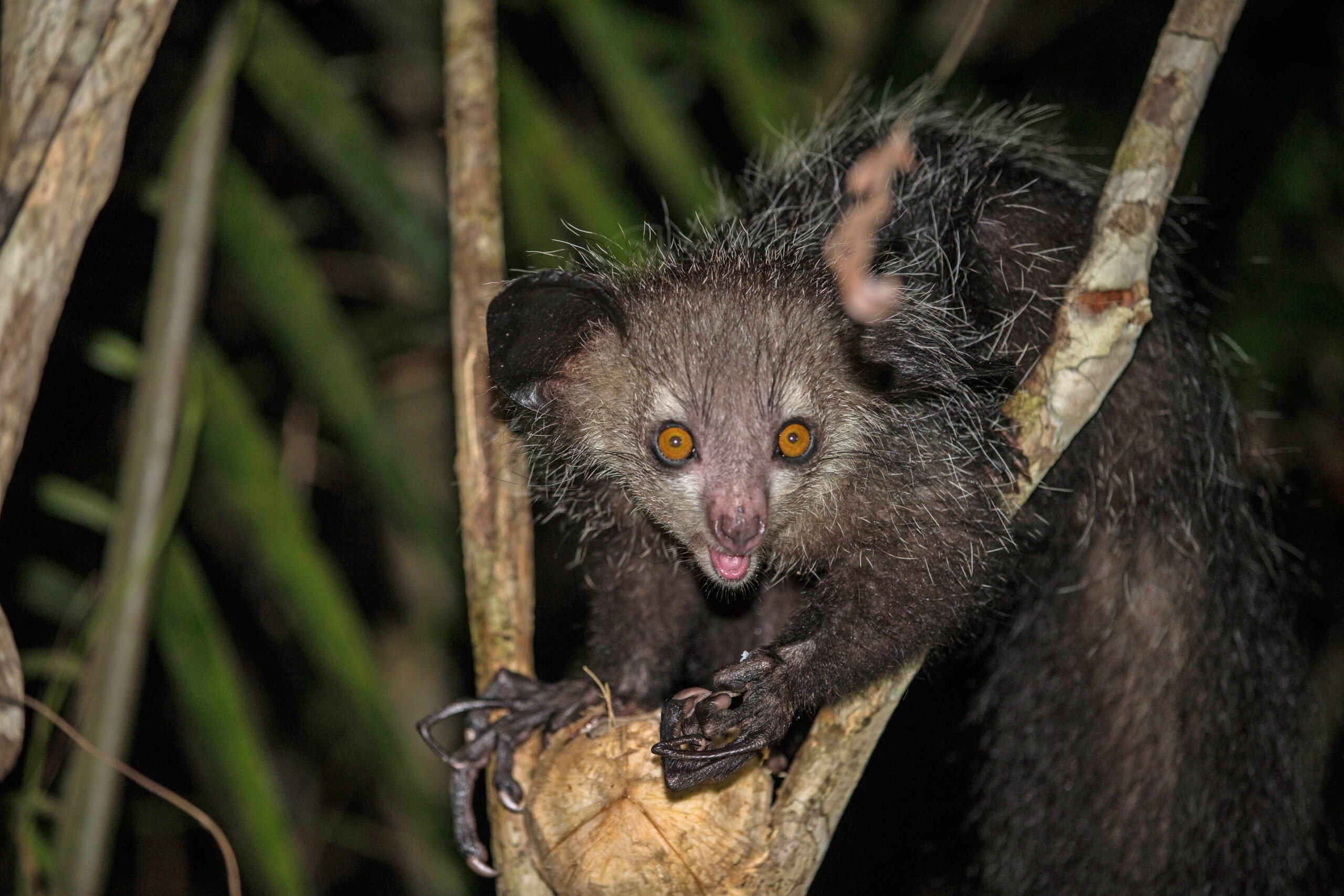
Kirindy introduces western dry forest wildlife, including nocturnal species and the possibility of fossa viewing. Then, Andasibe shifts the journey into rainforest, where travelers can search for Indri, chameleons, birds, and other lemurs. Afterward, Palmarium adds the rare Aye-Aye experience, which is one of the most unusual wildlife moments in Madagascar. Finally, Sainte Marie adds seasonal whale watching.

Many travelers ask for lemurs, yet Madagascar is much richer than one wildlife group. Therefore, this itinerary is powerful because it sells variety: baobabs, dry forest, rainforest, Aye-Aye viewing, Pangalanes Channel travel, and whales. In addition, the tour includes domestic flights and local guiding support, which makes the complex routing easier to understand and easier to book.
This departure is designed for travelers who love adventure, wildlife, and escape. It is especially relevant for guests who want rare species and unusual experiences rather than a standard beach holiday. However, because it is a small-group journey with clear support, it can also suit travelers who want Madagascar to feel more manageable.
For more wildlife planning inspiration, explore our Madagascar wildlife tours, compare all tours and expeditions, or review the main Baobab Avenue, Aye-Aye and Whale Watching tour page.
Madagascar wildlife is extraordinary because so many species are found nowhere else on Earth. However, that same uniqueness means wildlife travel requires careful routing. Lemurs, chameleons, nocturnal species, dry forest wildlife, rainforest birds, and marine life are not all found in one place. Therefore, a strong Madagascar wildlife tour July 2026 must connect the right habitats at the right pace.
This departure works because it moves through multiple ecosystems instead of depending on one park. Kirindy brings dry forest interest. Andasibe brings rainforest depth. Palmarium adds the Aye-Aye experience. Sainte Marie adds marine wildlife potential. Meanwhile, Baobab Avenue gives the journey one of Madagascar's most recognizable landscapes. Consequently, the route sells both biodiversity and beauty.
For wildlife-focused guests, trust is essential. HT Agency Tours uses local guides, supports park visits with proper coordination, and builds the route around real travel conditions. Moreover, the small-group maximum of 12 travelers helps keep the experience more manageable in forests, boats, and lodge settings. This is especially valuable for photographers, naturalists, and travelers who prefer thoughtful pacing.
Yes. The itinerary includes Palmarium and the Aye-Aye experience as one of its signature wildlife highlights.
Yes. Sainte Marie is part of the route, and July is positioned for whale watching possibilities.
A smaller group supports better guiding, smoother logistics, and a more personal wildlife experience.
Madagascar Wildlife Tour July 2026: Kirindy, Andasibe, Aye-Aye and Whales becomes much more valuable when it is connected to a real travel plan. For high-net-worth travelers, the question is rarely only what to see. The more important question is how the journey will feel day by day: how smooth the transfers are, how strong the guiding is, how carefully the lodges are selected, and whether the route respects the traveler’s pace.
That is where a private planning approach matters. Instead of treating Madagascar as a simple checklist, HT Agency Tours looks at timing, comfort, routing, guiding style, and the balance between discovery and rest. This helps the journey feel refined, personal, and realistic rather than rushed or generic.
For couples, families, private groups, and luxury travelers coming from the USA, UK, Canada, Australia, Europe, or other long-haul markets, this kind of planning protects the two things that matter most: time and confidence. A well-built itinerary allows you to enjoy the destination without having to solve logistics each day.
This guide is especially useful for travelers who want a private or tailor-made journey, premium guiding, authentic experiences, and a comfortable travel rhythm. It is also helpful for guests who are comparing a short extension with a longer luxury itinerary and want a clear recommendation before committing.
Depending on your dates and interests, our team can help coordinate private vehicles, carefully chosen hotels or lodges, expert local guides, domestic or regional flights where appropriate, airport assistance, special experiences, and a clear day-by-day proposal. The goal is not to make the trip complicated. Instead, the goal is to make the destination feel effortless once you arrive.
To move from research into a real plan, start with our Madagascar luxury tour packages, compare broader Madagascar group departures, or explore the main private Madagascar luxury tours page. If your travel window is already clear, you can also ask us to prepare a private proposal with suggested routing and next steps.
Share your travel month, number of travelers, preferred comfort level, and the experiences you care about most. Then HT Agency Tours can recommend whether this should become a private journey, a luxury safari, a beach extension, a cultural route, or part of a wider multi-country itinerary. Early planning is especially helpful when premium lodge space, flights, or limited departures may tighten.
If this travel idea feels close to what you want, the most useful next step is to request a personal recommendation. HT Agency Tours can review your preferred month, number of travelers, room style, budget level, and travel priorities, then suggest a route that feels polished, realistic, and genuinely worth the journey.
Start planning on WhatsApp or request a tailor-made proposal.
A refined Madagascar journey should feel effortless on the surface, yet carefully considered behind the scenes. Before choosing dates or confirming a route, it helps to understand how the experience will flow from one place to the next: arrival timing, transfer style, accommodation level, guiding quality, seasonal conditions, and the amount of breathing space built into each day. This is especially important for travelers flying from the USA, Canada, the UK, Australia, Europe, or other long-haul markets, because the best itinerary is rarely the one that simply includes the most places. Instead, the strongest journey is usually the one that balances signature experiences with comfort, privacy, and realistic travel rhythm.
For this reason, HT Agency Tours looks at each request as a complete travel design rather than a simple reservation. The right plan should consider your arrival airport, flight recovery time, number of travelers, room preferences, guiding expectations, photography interests, special occasions, and whether you prefer a fully private journey, a curated small-group departure, or a private-style upgrade. As a result, the final itinerary feels smoother, more personal, and more convincing than a generic package.
This style of travel is best for guests who want the destination to feel vivid and authentic, but who also value organization, comfort, and responsive local support. It works well for couples, families, friends, solo travelers joining a selected departure, photographers, wildlife lovers, and high-end travelers who prefer the reassurance of expert planning. In addition, it suits travelers who do not want to waste time comparing disconnected hotels, drivers, domestic flights, routes, and park logistics on their own.
The experience can also be adapted depending on pace. Some guests want early starts, active days, and a strong focus on wildlife or landscapes. Others prefer a softer rhythm, better lodges, private guiding, scenic breaks, and time to enjoy the property between excursions. Both approaches can work beautifully when the itinerary is designed honestly around the traveler, not forced into a fixed template.
Luxury travel is not only about the name of the lodge. It is also about how the day feels. A good plan avoids unnecessary waiting, rushed transfers, poorly timed arrivals, and long travel days placed in the wrong part of the itinerary. Therefore, we pay close attention to domestic flight schedules, road conditions, seasonal access, park opening times, lodge locations, and the best order of experiences. When these details are handled well, the trip feels calmer and more rewarding.
Seasonality also matters. Wildlife movement, beach conditions, rainfall, visibility, road access, and lodge availability can change the character of a journey. Early planning is especially valuable for peak travel months, school holiday periods, limited small-group departures, and high-demand lodge combinations. If your dates are flexible, our team can often suggest a stronger travel window. If your dates are fixed, we can shape the route around what will work best at that time.
Before confirming any premium journey, ask whether the route matches your preferred pace, whether the accommodation level is consistent, whether transfers are private where they matter, whether guides are experienced with international travelers, and whether the included services are clearly explained. It is also worth asking how support works while you are traveling, especially in destinations where logistics can be complex or flight schedules may shift.
For serious inquiries, the most useful details to share are your preferred travel dates, number of travelers, room arrangement, comfort level, must-see experiences, international flight plans if known, and whether you would like private guiding, small-group travel, beach time, photography focus, or a special celebration. With that information, HT Agency Tours can recommend the best next step and avoid sending a proposal that feels generic.
To compare related options, explore our private Madagascar luxury tours or start a more personal request through our Madagascar luxury tour packages. You can also contact our team directly on WhatsApp with your travel window and the experience you have in mind. From there, we can suggest the strongest route, comfort level, and proposal structure for your journey.
The most successful trips usually begin early, especially when premium lodges, private guides, domestic flights, or limited departures are involved. Therefore, if this journey matches the way you want to travel, the best next step is to request availability and let our team shape the plan around your dates, expectations, and preferred level of comfort.
For travelers comparing small-group options, the strongest next step is to review our Madagascar group departures and then compare them with private Madagascar luxury tour packages if you prefer a more tailored rhythm.
If you want the journey to feel smoother and more time-efficient, explore our luxury flying safari options and our private flight services for Madagascar and wider Africa.